
Many aspiring woodworkers believe that a large workshop is necessary to create beautiful projects, but I’ve found that a small, well-organized space can be just as effective. In this post, I’ll share practical tips and strategies for transforming a limited area into an efficient woodworking haven. By focusing on crucial tools, proper layout, and effective storage solutions, you can optimize your small space to nurture your creativity and skill development. Let’s get started on your journey to a satisfying woodworking experience!
Assessing Your Space
Before entering into woodworking projects, I always assess the available space to ensure it meets my needs. Evaluating the area involves considering not just the size, but also the layout, accessibility, and ambient conditions. Taking the time to analyze these factors helps in creating an efficient woodworking environment that fosters creativity and productivity.
Measuring Available Areas
Start by measuring your available workspace, including walls, floor space, and any furniture already in place. I take note of doorways and windows, which might impact the configuration of my tools and materials. Using a tape measure guarantees I have precise dimensions for planning my setup effectively.
Choosing the Right Location
Selecting the right location for your woodworking space profoundly influences your experience. Ideally, I look for a well-ventilated area with ample natural light to work comfortably for extended periods. Access to power outlets, proximity to water for cleaning purposes, and minimal foot traffic to avoid distractions can significantly enhance your productivity and enjoyment in the workshop.
In considering a suitable location, I prioritize quiet spaces, away from household distractions while ensuring easy access to the rest of my home. A garage or basement often works best for me, given the durability of their surfaces and the ability to control ambient conditions. Whenever possible, choosing a space with existing shelves or storage can also streamline my workflow and keep the area organized without the need for additional furniture purchases.
Essential Tools for Beginners
When setting up a woodworking space, having the right tools is key. I recommend starting with a mix of hand tools and power tools, each serving different purposes but equally important for efficient woodworking. Your initial investment should focus on versatility and durability to help you tackle various projects as you develop your skills.
Hand Tools
Hand tools are fundamental to woodworking, offering precision and control. As a beginner, I found that a good set of chisels, a hand saw, a block plane, and a tape measure were indispensable. These tools allow you to refine your technique and understand the materials you’re working with, giving you a solid foundation for your skills.
Power Tools
Power tools significantly enhance efficiency and expand the range of projects you can undertake. Essential power tools for beginners include a circular saw, a jigsaw, and a drill. These tools not only speed up the cutting and drilling processes but also allow for more complex designs, making your projects much more attainable.
For instance, a circular saw can make straight cuts on larger sheets of plywood quickly and accurately, while a jigsaw is perfect for cutting curves and intricate patterns. A good drill can handle various tasks, from making holes to driving screws, and versatility is vital. Investing in quality power tools means they will last longer and perform better, allowing you to tackle more elaborate woodworking projects confidently.
Workbench Setup
Establishing an efficient workbench setup is crucial for productivity in your small woodworking space. The right workbench serves as the heart of your projects, enabling effective use of tools and materials. Consider both size and functionality, ensuring your bench accommodates your projects while allowing room for maneuvering tools and pieces.
Choosing the Right Height
Your workbench height is vital for comfort and efficiency. I find that a height of about 34-36 inches works well for most tasks, allowing me to stand comfortably while working. For seated tasks, consider a lower option around 28-30 inches. Adjusting the height based on your own measurements can prevent strain and enhance accuracy.
Organization and Storage Solutions
Effective organization is key to maximizing your small woodworking space. I recommend utilizing a combination of pegboards, shelving, and modular storage units to keep tools and materials readily accessible. This structured approach allows you to minimize clutter and ensures that everything has a dedicated place, streamlining your workflow.
For organization, I often use labeled bins and drawer dividers to categorize small tools like screws and sandpaper. Installing a pegboard above the workbench keeps frequently used tools visible and within reach, which drastically reduces time spent searching. If space allows, consider a mobile storage cart that can be moved as needed, providing flexible access to multiple tools without sacrificing floor space. This method not only keeps your workspace tidy but also enhances your overall efficiency in crafting projects.
Safety Considerations
Prioritizing safety in your woodworking space ensures not only your well-being but also enhances your confidence while working. Proper precautions can prevent accidents and injuries that may arise from using tools and handling materials. Implementing safety measures begins with personal protective equipment, familiarizing yourself with the tools, and maintaining a tidy workspace.
Personal Protective Equipment
Equipping yourself with the appropriate personal protective equipment (PPE) is imperative. I always wear safety glasses to shield my eyes from flying debris and a dust mask or respirator to protect my lungs from wood dust. Hearing protection, such as earplugs or earmuffs, helps safeguard against loud power tools, ensuring I can work safely and comfortably.
Safe Tool Usage
Understanding and practicing safe tool usage is a key aspect of woodworking. I make it a point to read each tool’s manual and follow designated operating procedures. Furthermore, keeping both hands free while operating tools minimizes the risk of accidents, and staying focused prevents distractions that could lead to injuries.
While using any power tool, I make sure to double-check that all safety features are functioning properly and that I’m using the right tool for the task. For instance, when operating a table saw, I always utilize push sticks to guide materials, keeping my hands at a safe distance from the blade. Additionally, I create a habit of unplugging any electric tools when changing blades or making adjustments to avoid accidental start-up. Finally, being mindful of my surroundings-like avoiding clutter and ensuring I have a clear path-adds an extra layer of protection in my workshop.
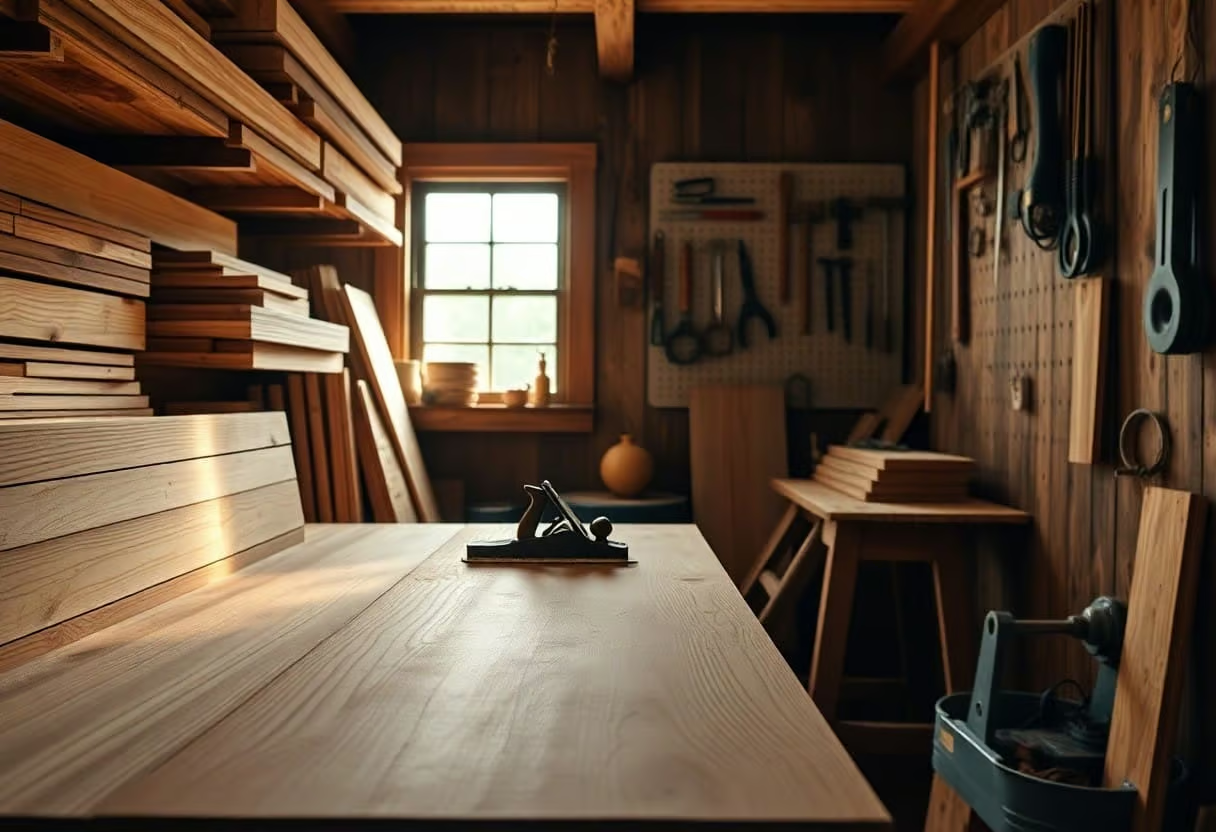
Wood Selection for Projects
Choosing the right wood for your projects can significantly affect the outcome. I often consider factors like durability, workability, and the finished look when selecting wood. Whether crafting furniture or simple decor, understanding wood characteristics will enhance your woodworking experience.
Types of Wood for Beginners
As a beginner, it’s necessary to start with wood types that are easy to work with. Softwoods, such as pine and cedar, are forgiving and ideal for learning. Hardwoods like oak and maple offer durability but may require more skill. Here’s a breakdown of some common options:
- Pine: Lightweight and inexpensive
- Cedar: Naturally resistant to moisture
- Birch: Smooth finish, great for painting
- Oak: Strong, perfect for furniture
- Maple: Hard and dense, offers a beautiful grain
Recognizing the properties of these woods will help you choose the best material for your projects.
| Wood Type | Characteristics |
| Pine | Lightweight and versatile |
| Cedar | Moisture-resistant, aromatic |
| Birch | Good for a smooth finish |
| Oak | Highly durable and sturdy |
| Maple | Beautiful grain, very strong |
Understanding Wood Grains and Finishes
Familiarity with wood grains and finishes can elevate your projects. I’ve found that the grain patterns can greatly influence aesthetic and functional aspects. The finish you choose, whether stain or lacquer, can enhance the wood’s natural beauty while providing protection. Applying the right finish will preserve the integrity and appearance of your work.
When choosing wood grains, I often examine natural variations that contribute to the charm of each piece. Straight grain patterns are often easier to work with and offer a classic look, while more complex grains, like quilted or birdseye, add character but can be challenging. The finish is equally important; options like oil or polyurethane not only enhance the wood’s appearance but also shield it from wear. Each choice adds layers to your craftsmanship, making it necessary to consider both aspects for a polished final result.
Basic Techniques and Skills
I found that mastering foundational woodworking techniques is imperative for building confidence and competence. Techniques such as measuring, marking, cutting, and joining are vital as they form the backbone of every project. With practice, your skills will improve, allowing you to tackle more complex designs. I encourage you to approach these basics with patience; each small success will bolster your ability and creativity in woodworking.
Measuring and Marking
Accurate measuring and marking are fundamental skills in woodworking. I typically use a tape measure and a square to ensure my dimensions are precise. Marking out your cuts with a sharp pencil or a marking knife provides clear visibility and helps prevent mistakes. Taking the time to measure twice before cutting can significantly enhance your project’s quality.
Cutting and Joining
Cutting and joining are where your materials begin to transform into your vision. I often rely on handsaws for straight cuts and a jigsaw for curves. Accuracy in cutting directly influences the fit of joints. For joining pieces, options like butt joints, dado joints, and mortise-and-tenon joints serve various purposes, with the latter offering robust structural integrity.
When cutting and joining, my focus is on achieving clean cuts and tight joints, as they ultimately determine the strength and appearance of the finished piece. For instance, I prefer using a miter saw for precise angle cuts, while pocket hole jigs are invaluable for creating hidden joints that maintain aesthetics. Dry-fitting pieces before final assembly helps to ensure a seamless fit, allowing adjustments to be made before glue or fasteners are applied. Lastly, take your time; quality work comes from patience and persistence.
Conclusion
As a reminder, creating a small woodworking space tailored to your needs can significantly enhance your crafting journey. I encourage you to assess your available area, invest in vital tools, and prioritize safety. With careful planning, you can establish a functional and inspiring workshop that fosters creativity. As you launch on this woodworking adventure, your dedication will not only improve your skills but also bring joy to the projects you undertake. Set up your space wisely, and you’ll enjoy the many rewards of woodworking.