
Over the years, I’ve realized that having the right tools is important for every beginner woodworker. As you initiate on your woodworking journey, equipping yourself with these fundamental tools will set the foundation for success. In this post, I’ll share the must-have tools that will help you create beautiful projects and develop your skills without getting overwhelmed. Your workshop doesn’t need to be filled with every gadget; just a few key tools can make all the difference in your woodworking experience.
Basic Hand Tools
When starting your woodworking journey, owning the right basic hand tools is necessary for laying a solid foundation. These tools will help you measure, cut, shape, and refine your projects with precision and confidence. Building a strong toolkit will certainly empower you to take on a variety of tasks as you develop your skills.
Measuring and Marking Tools
Accurate measuring and marking tools are indispensable for any woodworker. I recommend investing in a quality tape measure, a combination square, and a marking gauge. A solid tape measure allows you to quickly take measurements, while a combination square provides both measuring and squaring functionality. The marking gauge ensures that you can transfer measurements with precision, creating clean lines for cutting.
Cutting Tools
The right cutting tools will significantly impact the quality of your work. A hand saw, chisel set, and utility knife are foundational options that you should consider. A hand saw allows for versatile cuts in various materials, while chisels help with fine detail work, such as joints and shaping. A sharp utility knife easily handles smaller tasks and precise cuts.
Among the cutting tools, the hand saw stands out for its versatility. You can choose from different types like the crosscut saw for cutting across the grain and the rip saw for cutting with the grain. Each serves specific purposes, and as you master these techniques, you’ll notice improved efficiency and accuracy in your craftsmanship. A quality chisel set, including different sizes and shapes, enables you to tackle everything from simple carvings to intricate joinery, providing room for creativity and refinement in your projects.
Power Tools
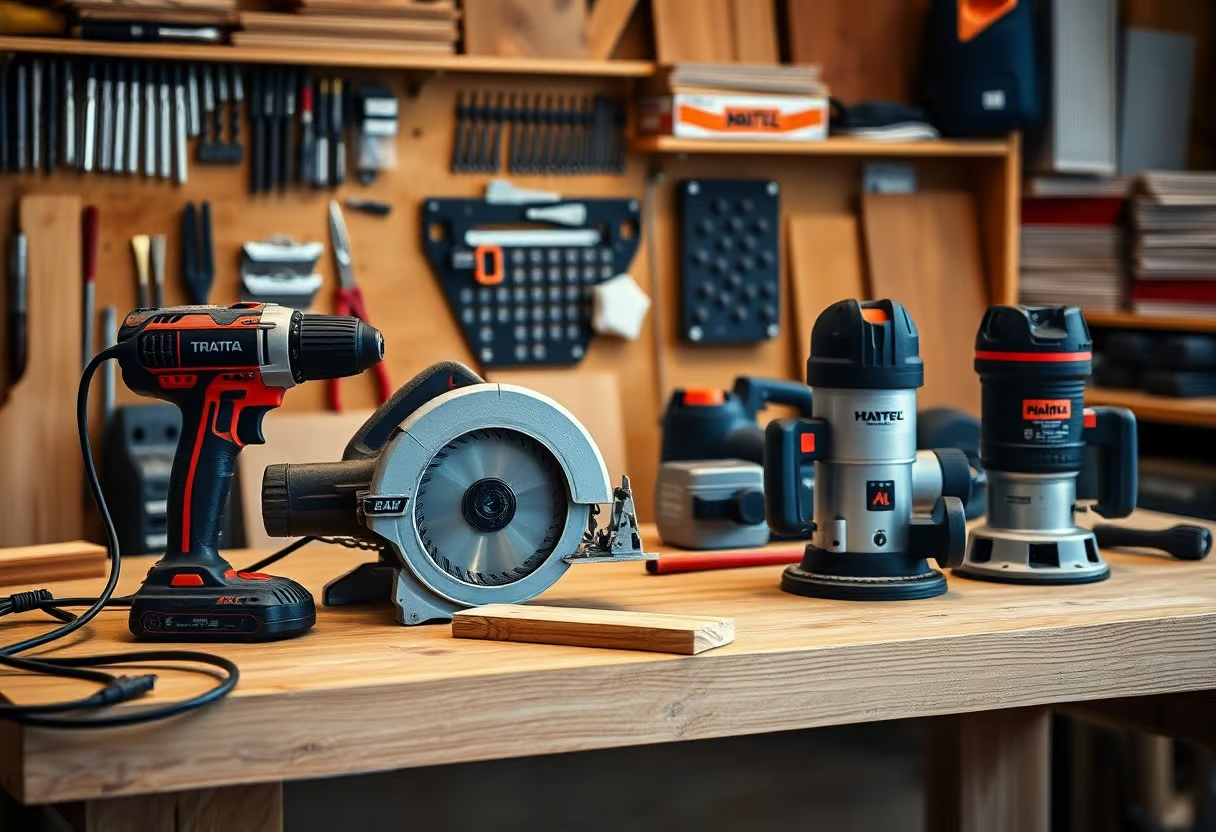
In woodworking, power tools speed up your projects and expand your capabilities. By investing in a few important power tools, you’ll find that precision and ease become the hallmarks of your craft. These tools can significantly enhance the quality of your work and help tackle complex jobs that would otherwise take much longer with hand tools alone.
Essential Power Saws
Every woodworker needs a range of saws to handle different cutting tasks. A miter saw is indispensable for making precise crosscuts and angled cuts, while a table saw offers versatility for ripping and crosscutting large sheets of wood efficiently. Additionally, a jigsaw allows for intricate patterns, and a circular saw is great for cutting large materials on-site. These saws dramatically improve accuracy and save valuable time.
Drilling and Sanding Tools
Drilling and sanding are important processes in woodworking that greatly influence the final appearance of your projects. A reliable cordless drill is perfect for creating holes and driving screws, while a random orbit sander helps in achieving a smooth, professional finish. For specific tasks, having a detail sander allows you to reach tight corners and intricate details effortlessly.
When considering drilling and sanding tools, versatility is key. A quality drill with variable speeds can handle a range of materials from soft pine to hardwoods, ensuring that you maintain control and accuracy. Pairing your drill with a set of wood bits ranging from small to large will cover most projects. Likewise, investing in different grits of sanding discs and pads allows you to work your way from rough to smooth finishes without hassle. Ultimately, these tools are vital for ensuring your work not only fits together well, but also looks polished and professional.
Safety Equipment
Ensuring your safety while woodworking is crucial, as it allows you to focus on your craft without the risk of injury. I always prioritize having quality safety equipment on hand. This includes everything from eye protection to earplugs and respiratory masks, depending on the project at hand. Investing in adequate safety gear not only protects you but also boosts your confidence while working with powerful tools and materials.
Personal Protective Gear
Your personal protective gear is the first line of defense against potential hazards in your workshop. I recommend a sturdy pair of safety goggles to shield your eyes from sawdust and debris, along with a well-fitted dust mask to filter out harmful particles. Ear protection is also vital, especially when using loud machinery. A comfortable pair of gloves helps prevent cuts and scrapes, while steel-toed boots provide crucial foot protection from falling objects.
Work Area Safety Measures
A well-organized and safe work area significantly reduces the risk of accidents. I ensure that my workshop is clutter-free, with tools returned to their designated places immediately after use. Adequate lighting is a must, as it allows for better visibility and precision. I also position my materials and tools so they are easy to reach, reducing the likelihood of stretching or twisting, which can lead to injury.
In my experience, maintaining a clean workspace is fundamental not only for safety but also for efficiency. I regularly sweep up sawdust and debris, as they can cause slips and falls. Utilizing storage solutions such as shelving or tool bins helps keep the floor clear. I also avoid overcrowding power outlets and ensure that all cords are secured to prevent tripping. Establishing clear pathways around the workshop ensures that I can move freely and safely, further minimizing the risk of injury during my woodworking projects.
Workbench and Workspace Setup
Creating an efficient workspace is important for productivity and enjoyment while woodworking. A well-organized workshop not only enhances your skills but also minimizes frustration. I focus on arranging tools, materials, and my workbench to ensure everything is within easy reach, allowing smoother transitions between tasks. Effective setup paves the way for both beginners and seasoned woodworkers to immerse themselves in their projects.
Choosing the Right Workbench
Your workbench serves as the heart of your woodworking endeavors, so selecting the right one is paramount. I recommend opting for a sturdy, level surface that can withstand the rigors of various projects. Look for a bench with ample surface area and storage options for tools, ensuring it meets your specific needs and available space.
Organizing Your Workspace
A well-organized workspace streamlines your workflow and keeps distractions at bay. I find that grouping similar tools together, using wall-mounted racks, and incorporating storage bins significantly enhances my efficiency. With a designated space for each item, I can focus entirely on my projects without the hassle of searching for misplaced tools.
To further enhance organization, I recommend implementing a “clean as you go” policy. This means putting tools back in their designated spots immediately after use and regularly decluttering your workspace. Consider adding a pegboard for hanging tools, which not only saves space but also makes them easily accessible. Shelving units can hold materials and supplies, while a rolling cart can transport tools between different areas. By creating a system that works uniquely for you, your workspace will evolve into a productive haven for all your woodworking aspirations.
Maintenance Tools
To keep your woodworking tools in prime condition, maintenance tools are crucial. A few basic items will enable you to care for your equipment and prolong its lifespan. Regular upkeep not only ensures safety but also enhances the quality of your work. Investing in maintenance tools now will save you time and money down the road.
Tool Care and Maintenance Tips
Proper care of your tools is vital for optimal performance. Regular inspections can prevent larger issues.
- Wipe down tools after each use to prevent rust.
- Lubricate moving parts regularly with appropriate oils.
- Sharpen blades frequently for cleaner cuts.
- Store tools in a dry environment to reduce wear.
- Recognizing subtle signs of wear early can save your tools from significant damage.
Essential Cleaning Supplies
Having the right cleaning supplies for your woodworking tools and workspace is crucial for maintaining a productive environment. I find it helpful to keep a set of specific cleaning items handy.
Essential cleaning supplies typically include shop towels, steel wool, microfiber cloths, and degreaser solutions. A quality degreaser helps remove stubborn oil and grime from tools and surfaces. Steel wool is effective for polishing and removing rust, while microfiber cloths are perfect for catching dust without scratching. Investing in these cleaning supplies not only enhances your workspace but also contributes to the longevity of your tools by keeping them in tip-top shape.
Project Planning Tools
Effective project planning tools streamline the woodworking process, transforming your ideas into tangible realities. From initial sketches to measuring dimensions, these tools are integral in ensuring accuracy and clarity in your projects. I’ve found that having the right planning tools can significantly enhance project efficiency and outcomes, making them crucial in any beginner’s toolkit.
Design and Layout Tools
Your design and layout tools can help turn concepts into structured plans. Essential items include a reliable set of drafting tools, graph paper, and a straightedge. Using these tools allows you to visualize your projects accurately, identify potential challenges beforehand, and adjust accordingly for a successful build.
Resource Materials
Having the right resource materials can inform your designs and techniques, making them invaluable. I highly recommend investing in woodworking books, online courses, and detailed instructional videos, as they provide insights and inspiration for your projects.
These resource materials not only enhance your technical knowledge but also spark creativity. Books like “The Complete Manual of Woodworking” offer extensive information on various techniques, while online platforms like YouTube provide visual guidance for specific tasks. I often turn to community forums for advice and project ideas, tapping into a wealth of collective experience that can elevate your woodworking skills significantly.
Final Words
Summing up, as a beginner woodworker, it’s important for you to invest in important tools that will set the foundation for your projects. I suggest starting with a reliable saw, a durable hand plane, and a set of chisels, as these will enhance your skills and boost your confidence. Additionally, a workbench and safety gear are vital for a productive and secure workspace. By equipping yourself with these tools, you’ll be well-prepared to commence on your woodworking journey and create beautiful, lasting pieces.