
Wood selection can make or break your DIY projects. As I’ve learned through my experiences, choosing the right type of wood for your beginner projects is vital for achieving both quality and ease of use. I’ll guide you through the various types of wood available, their characteristics, and how you can determine the best fit for your needs. By understanding the distinct properties of wood, you can ensure successful outcomes in your crafting endeavors.
Understanding Wood Types
Each wood type possesses unique characteristics, influencing your project’s outcome. Softwoods come from coniferous trees, while hardwoods originate from deciduous trees. When selecting wood, consider your project’s requirements, aesthetic preferences, and ease of use. Understanding these distinctions will lead to informed decisions.
- Softwoods are typically lighter and easier to work with.
- Hardwoods tend to be denser and more durable.
- Softwoods are often less expensive than hardwoods.
- Hardwoods often provide superior finishing options.
- Thou may find that each wood type serves specific applications better.
| Wood Type | Characteristics |
|---|---|
| Softwood | Lighter, easier to work with, less expensive. |
| Hardwood | Dense, durable, and excellent for fine finishes. |
| Pine | Soft, versatile, and readily available. |
| Oak | Dense, strong, ideal for furniture. |
| Maple | Hard, smooth, great for cabinetry. |
Softwoods vs. Hardwoods
Softwoods, such as pine, are often easier for beginners due to their workability and lower cost, making them ideal for items like shelves or decorative projects. Hardwoods, including oak, offer superior durability and aesthetic appeal, suited for furniture and detailed work, but they require more skill and specialized tools. Both types bring distinctive qualities, and understanding their differences enhances your project choices.
Common Wood Species for Beginners
Familiarizing myself with common wood species can streamline your project selection. Pine is often the go-to for beginners because of its affordability and ease of availability. Poplar and birch represent alternatives that balance workability and finish quality, while oak and maple provide options for when durability and aesthetics are priorities. Each species offers unique benefits, fostering confidence as you take on diverse woodworking projects.
Pine stands as the front-runner for new woodworkers due to its soft texture and minimal cost. It’s straightforward to cut and shape, making it perfect for practice pieces. Poplar appeals for its easily achievable paint-grade finishing, while birch offers more visual appeal with a fine grain, suitable for projects that demand aesthetics. As you progress, oak and maple can become your choices for durable items that withstand wear, solidifying your confidence and expanding your skills in woodworking.
Characteristics of Wood
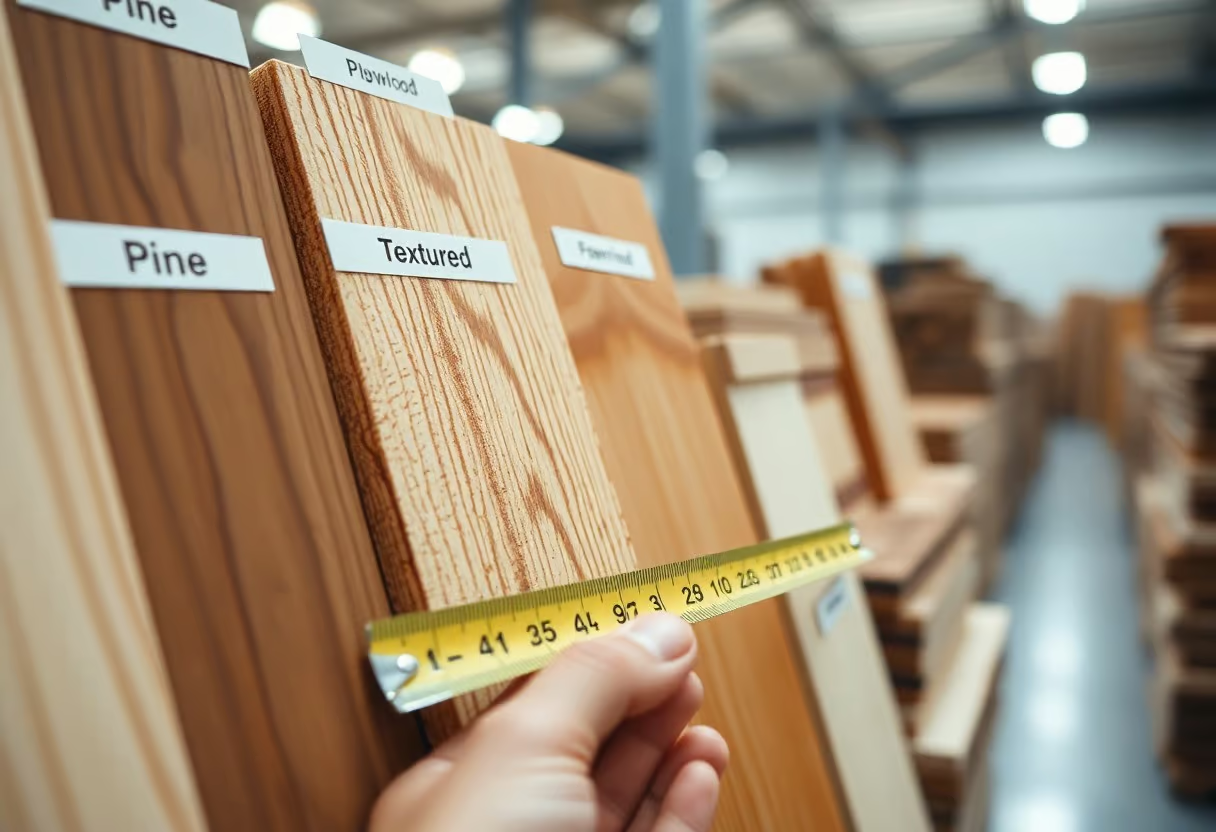
Every wood species has distinct characteristics that can significantly affect your projects. These traits encompass density, weight, grain patterns, and color, all of which contribute to the wood’s workability, strength, and aesthetic appeal. Recognizing these features will help you select the best wood for your specific needs and desired results, whether you’re crafting furniture, making simple decor items, or undertaking woodworking projects.
Density and Weight
Density and weight are vital factors when choosing wood for projects. Denser woods, like oak and maple, offer strength and durability, making them suitable for heavy-use items such as furniture. Conversely, lighter woods, such as pine or cedar, are easier to handle and cut, which is especially beneficial for beginners. Understanding how these properties influence your craftsmanship will aid in making the best material selection.
Grain Patterns and Color
The grain patterns and color of wood significantly impact the final look of your project. Unique patterns, such as the swirls of walnut or the straight lines of maple, add character and richness. Moreover, variations in color-from the warm tones of cherry to the cool shades of ash-will enhance the aesthetic and style of your work. Choosing wood with visually appealing grain and color can elevate your project from ordinary to remarkable.
When considering grain patterns and color, specific examples can offer guidance. For instance, oak features prominent grain patterns that add texture and depth, ideal for rustic designs. Conversely, a finer grain, like that of birch, lends itself to modern aesthetic with its smooth, clean lines. If you want your project to showcase the beauty of the wood, consider a finish that enhances these natural features. This attention to detail can make all the difference in achieving a professional look in your creations.
Tools and Equipment for Working with Wood
Equipping yourself with the right tools is vital for any woodworking project. Proper tools not only enhance efficiency but also improve the quality of your work. As a beginner, focusing on important hand tools alongside basic power tools can set the foundation for your skills. Start building your collection methodically, ensuring each piece meets the requirements of your specific projects.
Essential Hand Tools
Focusing on hand tools, I recommend starting with a quality tape measure, a combination square, a coping saw, and a hammer. These tools are versatile and can handle a variety of tasks, from measuring and cutting to joining pieces of wood. Investing in a good set of chisels as well will allow for more detailed work, fostering both precision and creativity in your projects.
Power Tools for Beginners
For those looking to speed up the process and tackle larger projects, power tools are a worthy investment. A jigsaw and a cordless drill are excellent starting points. They provide versatility and efficiency, allowing you to cut various shapes and drill holes with ease. Gradually, as you build confidence, you can expand your collection to include tools like a circular saw or a sander, enhancing your capabilities significantly.
The right power tools can transform your woodworking experience, making it more enjoyable and less labor-intensive. A jigsaw enables you to cut curves and intricate designs that hand tools struggle with, while a cordless drill streamlines the assembly process. Starting with reliable brands often means better durability and performance. As I progressed, I found that investing time in understanding each tool’s functionality improved my skills and made my projects more ambitious and rewarding.
Price and Availability
When deciding on wood for your projects, price and availability must align with your budget and timeline. Certain species, like oak or cherry, may be more expensive and harder to find, especially in specific dimensions. Knowing the average costs of various types, such as pine often being more affordable, helps set expectations while planning your project.
Budgeting for Wood Projects
Budgeting effectively for wood projects can significantly impact your final outcome and overall satisfaction. I recommend starting by estimating the quantity of wood you’ll need based on your project plans and then researching the average prices for your selected wood types so you can set a realistic budget that accommodates not just the wood, but also any other materials you might require.
Finding Local Suppliers
Finding local suppliers is imperative for sourcing the right wood types and ensuring timely delivery. I often search online or visit local lumberyards to compare prices and quality. In-person visits allow me to inspect the wood firsthand, ensuring I choose pieces that meet my project specifications.
Local suppliers often have their own inventory and regional specialties, making it easier to find appropriately graded wood. Many lumberyards also offer discounts for bulk purchases or project needs that exceed a certain quantity. I prioritize establishing relationships with these suppliers, as they can provide valuable advice on which wood types are best suited for specific projects and inform me about ongoing sales or local events that may feature discounted lumber.
Sustainability and Ethical Sourcing
When identifying wood, considering sustainability is vital to ensure that our projects do not harm the environment. Choosing ethically sourced materials helps preserve forests and supports eco-friendly practices that benefit future generations. By understanding where your wood comes from, you contribute to a more sustainable woodworking community and make informed choices that align with your values.
Importance of Sourcing Responsibly
Sourcing wood responsibly is vital for protecting ecosystems and promoting biodiversity. Unsustainable logging practices can lead to habitat destruction and climate change. By opting for wood that is harvested ethically, you play a part in conserving natural resources and support local economies that prioritize sustainable managed forests.
Certified Sustainable Woods
Certified sustainable woods come from forests managed to meet specific environmental and social standards. These certifications, such as the Forest Stewardship Council (FSC) or the Sustainable Forestry Initiative (SFI), ensure that the wood is sourced from well-managed forests that maintain ecological balance and support local communities.
FSC certification, for example, necessitates adhering to strict guidelines regarding forest management, ensuring that it is environmentally friendly and socially responsible. When you select certified wood, you’re opting for materials that have been independently verified to meet rigorous criteria, covering everything from avoiding deforestation to respecting the rights of indigenous peoples. This choice not only bolsters responsible forestry practices but also enhances the reliability and integrity of your projects, as it often comes with traceability and transparency from forest to final product.
Tips for Choosing the Right Wood
Selecting the right wood involves several important considerations that can enhance your project’s success. Focus on the wood’s durability, aesthetics, and specific project requirements by keeping these tips in mind:
- Assess the wood’s strength and hardness according to the project needs.
- Consider the visual appeal and grain patterns for your finished piece.
- Weigh the cost-effectiveness versus your budget constraints.
- Account for the long-term usability and maintenance of the wood.
The right wood choice can elevate your project.
Match Wood Type to Project
Your project’s demands should dictate the wood type you select. For heavy-duty projects like furniture, hardwoods like oak or maple provide durability. If you’re crafting decorative items or lightweight structures, consider softwoods like pine, which are easy to work with and cost-effective. For outdoor projects, opt for woods like cedar, known for its natural resistance to decay.
Consider Finish and Treatment Options
Understanding finishes and treatments can profoundly affect both the aesthetic and durability of your project. Different woods react uniquely to stains, paints, and sealants, so choosing the right combo enhances the wood’s natural beauty and longevity. Moreover, specific treatments, like pressure treatment for outdoor use, significantly improve protection against elements.
For example, if you decide to use pine for outdoor furniture, applying a weather-resistant stain not only accentuates the grain but also prolongs the wood’s life. Conversely, a piece intended for indoor use may benefit from a simple clear finish to maintain a natural look while adding a layer of protection against scratches. The time you invest in selecting finishes can yield remarkable results and satisfaction in your completed project.
Summing up
To wrap up, selecting the right wood for your beginner projects involves evaluating factors like durability, workability, and aesthetics. I encourage you to familiarize yourself with different wood types and their characteristics so you can make informed choices that align with your project’s requirements. You should also consider your skill level and tools at your disposal, ensuring that your selections match your abilities. By following these guidelines, you can enhance your woodworking experience and achieve great results in your projects.