
Just starting out in woodworking can be incredibly rewarding, and I want to help you discover that joy. In this post, I will share a selection of simple woodworking projects that are perfect for beginners like you. Each project has been carefully chosen to enhance your skills while providing a sense of accomplishment. Whether you’re looking to create functional pieces for your home or simply enjoy the craft, these projects will guide you through your initial steps in woodworking.
Essential Tools for Beginners
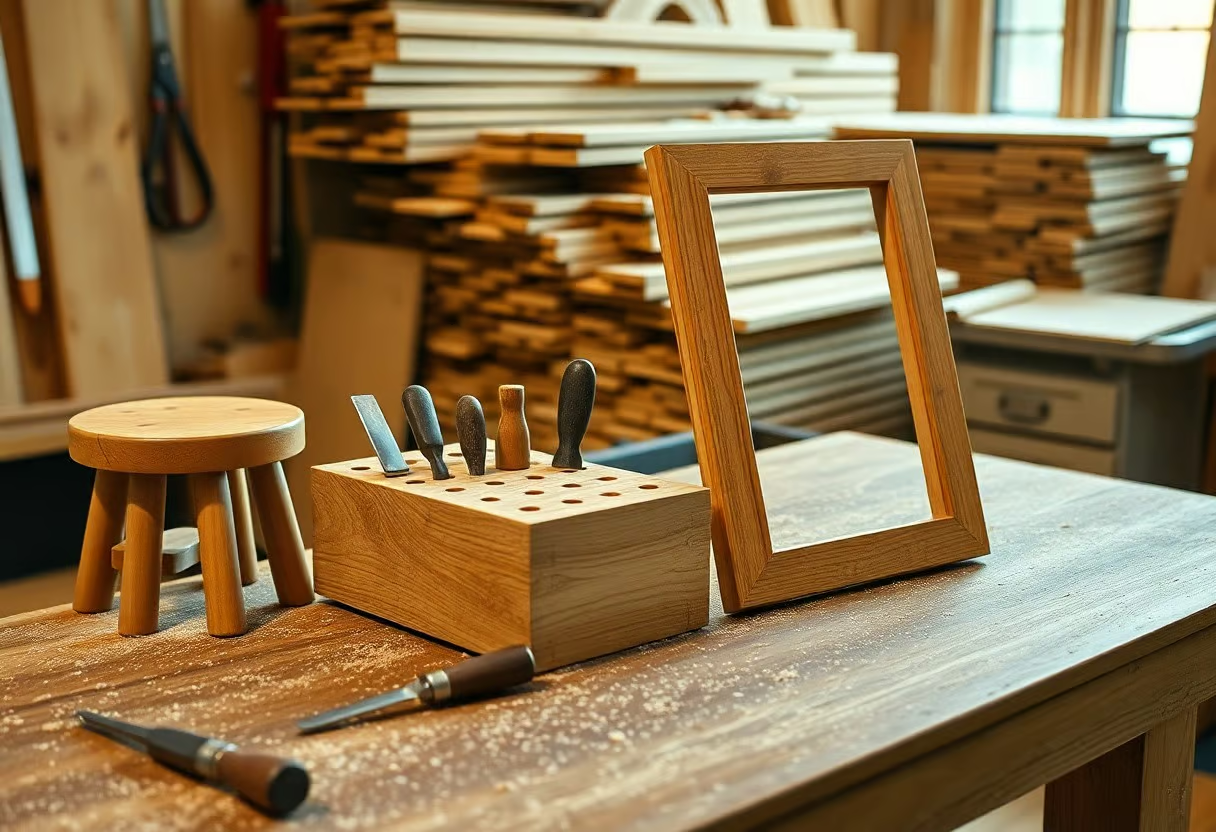
Having the right tools can make all the difference in your woodworking journey. I recommend starting with necessary hand tools and power tools that will provide versatility and encourage skill development. With these basics in your toolkit, you’ll be well-equipped to tackle most beginner projects with confidence and ease.
Basic Tool Kit
A solid basic tool kit should include a combination of hand tools such as a tape measure, square, saw, chisel set, and a hammer. Power tools like a cordless drill and a jigsaw will further expand your capabilities. Investing in high-quality versions of these tools will enhance your efficiency and ensure longevity, making them worthwhile additions to your workshop.
Safety Equipment
Safety must always be a priority in woodworking. Essential safety equipment includes eye protection, hearing protection, and a dust mask. Depending on the project, you might also consider gloves and knee pads. With these necessarys, you can work confidently while minimizing risks associated with common woodworking hazards.
Personally, I never start a project without my safety gear. Wearing safety glasses protects my eyes from wood debris, while earmuffs help me guard against hearing damage from power tools. A dust mask is vital when sanding or cutting materials to avoid inhaling harmful particles. Investing in safety gear is just as important as purchasing tools; it ensures a healthier and more enjoyable woodworking experience.
Choosing Your First Project
Selecting your initial woodworking project is a key step in your journey. It should strike a balance between being manageable yet fulfilling, allowing you to build confidence while developing vital skills.
Factors to Consider
There are several important factors to consider when choosing your first woodworking project:
- Your current skill level
- Available tools and materials
- Time commitment
- Purpose of the finished item
Recognizing these factors can help you choose a project that is not only enjoyable but also educative.
Popular Beginner Projects
Some excellent options for beginners include a simple bookshelf, a birdhouse, or a cutting board. These projects require minimal materials and tools, allowing you to focus on basic woodworking techniques and measurements.
Creating a simple bookshelf is particularly rewarding as it provides functional storage. A birdhouse introduces you to joinery and finishing techniques, while a cutting board gives you practice with shaping and sanding. Each of these projects can be completed in a weekend and uses readily available materials. With all these options, you can easily transition from theory to hands-on experience.
Step-by-Step Guide to Simple Projects
| Project | Description |
|---|---|
| Building a Birdhouse | Create a cozy home for local birds with basic materials and tools. |
| Crafting a Small Shelf | Design a functional piece to display your favorite items. |
Building a Birdhouse
To build a birdhouse, start by choosing weather-resistant wood like cedar or pine. Cut the pieces: two for the sides, one for the bottom, one for the front, one for the back, and one for the roof. Use screws or nails to securely assemble the box, ensuring proper ventilation and drainage. Drill an entrance hole suitable for your target bird species, then finish with non-toxic paint or sealer for added durability.
Crafting a Small Shelf
Crafting a small shelf involves selecting the right wood, usually pine or plywood, and measuring the desired dimensions. Cut the wood into a main shelf and two supporting brackets. Attach the brackets to the wall using anchors for stability, then secure the shelf on top. This project not only adds functional storage but also enhances your room’s aesthetic. You can personalize the shelf by staining or painting it to match your decor.
Expanding on the small shelf project, consider adding a unique touch by incorporating decorative brackets or a back panel. Use a level to ensure your shelf is perfectly straight before securing it to the wall, as this will make all the difference in the appearance. If you’d like to make it even more stylish, find some interesting hooks or small baskets to enhance its functionality and practicality for displaying books, plants, or family photos.
Techniques and Tips for Success
Mastering vital woodworking techniques is vital for achieving satisfying results. I recommend practicing on scrap wood before moving to your final pieces. Here are some tips to enhance your skills:
- Always measure twice before cutting.
- Draw clear guidelines to improve accuracy.
- Be patient and take your time.
- Regularly maintain your tools.
- Embrace mistakes as learning opportunities.
Knowing these practices will help you build confidence in your woodworking abilities.
Wood Joining Methods
Understanding various wood joining methods is vital for creating solid, lasting projects. Techniques like butt joints, lap joints, and mortise-and-tenon joints offer different strengths and aesthetics. For beginners, I suggest starting with screws or wood glue, as these are simple and effective options that can hold pieces firmly together without advanced tools.
Finishing Techniques
Finishing techniques can greatly impact the look and durability of your projects. Stains, paints, and sealants allow you to enhance the wood’s natural beauty and provide protection against moisture and wear. I recommend trying water-based finishes for ease of use and quick drying time.
Experimenting with finishes can transform your woodworking projects. For example, applying a gel stain will create a rich, even color, while polyurethane provides a robust protective layer. You might also consider a food-safe finish, like mineral oil, for items like cutting boards. Different techniques can create diverse visual effects; thus, understanding how each finish interacts with wood types allows you to achieve your desired result. Additionally, always sand surfaces before applying finishes to ensure a smooth, professional look.
Understanding Wood Types
Choosing the right wood type is vital for your woodworking projects. Different woods offer varying strengths, appearances, and workability. Knowing these differences allows you to select the perfect material for your needs. Here’s a breakdown of common wood types:
- Pine – Softwood, easy to work with, and affordable.
- Oak – Hardwood, durable with a beautiful grain.
- Maple – Hard, strong, and often used for furniture.
- Cedar – Naturally rot-resistant, great for outdoor projects.
- Plywood – Versatile, made from thin layers of wood.
Assume that understanding these varieties will enhance your crafting skills.
| Wood Type | Characteristics |
| Pine | Lightweight, knots, easy to paint. |
| Oak | Heavy, strong, pronounced grain. |
| Maple | Hard, pale color, highly durable. |
| Cedar | Resistant to decay, aromatic. |
| Plywood | Strong, cost-effective, diverse applications. |
Softwoods vs. Hardwoods
Softwoods and hardwoods serve different purposes, primarily due to their unique properties. Softwoods, like pine and fir, are typically lighter and easier to cut, making them ideal for beginners. Hardwoods, such as oak and maple, offer greater durability and aesthetic appeal, but can require more advanced techniques to work with effectively.
Selecting the Right Wood for Your Project
Your decision regarding wood selection can significantly influence your project’s outcome. Consider factors such as the intended use, desired durability, and aesthetic preferences. Each wood type reacts differently to humidity and wear, so think about whether your piece will be indoors or outdoors. For example, if crafting an outdoor bench, cedar or pressure-treated wood may be your best options.
When opting for wood, assess how you intend to use your project and what conditions it will face. If you’re building a bookshelf, hardwoods like oak will provide sturdiness for heavier items. For decorative projects, softer woods might be more manageable and easier to finish. Assume the longevity and look of your project depends on making informed choices about these vital considerations.
Common Mistakes to Avoid
Avoiding pitfalls is integral to your success in woodworking. Many beginners make avoidable errors that impact the quality and enjoyment of their projects. By being aware of common mistakes, you can save time, materials, and frustration as you hone your skills.
Planning Errors
Effective planning is key in woodworking. Failing to properly measure, sketch, and calculate materials can lead to wasted wood and incomplete projects. Always take the time to draft a detailed plan, including necessary dimensions and a materials list, before commencing work.
Improper Tool Use
Using tools incorrectly can result in personal injury and project failure. It’s imperative to familiarize yourself with each tool’s specific operation and safety measures. Always consult the manufacturer’s guidelines and consider practicing with scrap wood first to build confidence.
Improper tool use not only risks your safety but often leads to subpar results. For instance, using a saw without properly securing the wood can cause splintering or uneven cuts. Furthermore, neglecting safety gear like goggles and gloves increases your likelihood of accidents. I found that dedicating time to mastering each tool, such as understanding the right speed for a drill or angle for a router, dramatically improved my accuracy and efficiency. Making these adjustments early in your journey establishes a solid foundation for more complex projects later on.
To wrap up
Drawing together the various elements of woodworking, I believe that simple projects not only ignite your creativity but also build your confidence. By starting with manageable tasks, you can gradually develop your skills and enjoy the satisfaction of creating something tangible. Whether it’s a birdhouse or a small shelf, each project is a stepping stone toward more advanced techniques. I encourage you to explore these beginner-friendly ideas and personalize them, allowing your style to shine through in every piece you craft.