
There’s a world of satisfaction in woodworking, but as I’ve learned, beginners often encounter common pitfalls that can dampen their enthusiasm. I’ll share the mistakes I made early on and provide practical tips to help you navigate these challenges. By avoiding these errors, you can improve your skills, enhance your projects, and enjoy a more fulfilling woodworking experience from the start.
Common Beginner Mistakes
As I navigated my early woodworking projects, I quickly recognized several common pitfalls that can derail your progress. These errors often stem from a lack of experience or oversight, but understanding them can help you avoid frustration and wasted materials. Let’s examine some specific mistakes and how to steer clear of them for a smoother woodworking journey.
Poor Material Selection
Choosing the right material for your project is vital. Beginners sometimes opt for the cheapest wood, overlooking its suitability for the intended use. Softwoods, while affordable, might not provide the durability needed for structural components, while hardwoods can be overkill for simple projects. Evaluating wood types based on strength, grain, and finish can profoundly impact your final product.
Inaccurate Measurements
Measurements are fundamental in woodworking. A minor miscalculation can lead to pieces that don’t fit together correctly or a project that isn’t level. I’ve made this mistake multiple times, realizing too late that a miss by even just an eighth of an inch could throw off the entire assembly. Always double-check your measurements before making any cuts, and consider using measuring tools like calipers or digital tape measures for improved accuracy.
Tools and Equipment Errors
Having the right tools is necessary for successful woodworking, but common errors can lead to frustration and wasted time. Understanding these mistakes can help you optimize your workshop and improve your overall craftsmanship.
Using the Wrong Tools
Choosing the wrong tools for a specific task can lead to inefficient work and unsatisfactory results. For instance, using a chisel instead of a router for edge profiles will yield uneven finishes, while a poorly sized saw blade can create splintered cuts. Ensure you select tools designed for the specific job at hand to achieve the best outcomes.
Neglecting Tool Maintenance
Regular maintenance of your tools is necessary for longevity and performance. A well-maintained tool operates efficiently, while a neglected one can compromise your work quality and safety.
Neglecting tool maintenance often leads to significant issues such as rust accumulation, dull blades, and malfunctioning mechanisms. For example, if I don’t sharpen my chisels regularly, I’ll struggle to achieve clean cuts, and my projects will suffer as a result. Tools like saws require periodic blade changes to maintain sharpness, and lubricating moving parts prevents wear and tear. Investing time in maintaining your equipment not only improves performance but also enhances safety in the workshop through better control and reliability.
Project Planning Pitfalls
Effective project planning is vital to successful woodworking. Failing to anticipate potential issues can lead to frustration, wasted materials, and incomplete projects. I’ve learned that being thorough with planning sets the stage for smoother execution and better results.
Skipping the Blueprint
A blueprint isn’t just a formality; it’s the foundation of your project. I’ve found that exploring into woodworking without a clear plan often leads to misaligned cuts and wasted wood. Creating a detailed sketch or digital plan allows for a visual guide, reducing errors and ensuring that all dimensions are accounted for.
Underestimating Time and Skill
Taking on a project without accurately assessing the time and skills required can lead to frustration. I’ve often jumped into ambitious projects, only to find that I miscalculated how long it would take or the expertise needed. It’s important to evaluate my current abilities honestly and adjust my expectations accordingly.
Underestimating time and skill often results in compromised quality and abandoned projects. For instance, when I started my first dining table, I assumed it would take a weekend. However, between cutting, sanding, and finishing, it actually took me two weeks. I had also underestimated the complexity of joinery techniques, requiring additional research and practice. I now factor in extra time for learning new skills, which has dramatically improved both my process and outcomes. Always consider the learning curve of new techniques and be flexible with your timeline to maintain motivation and ensure quality.
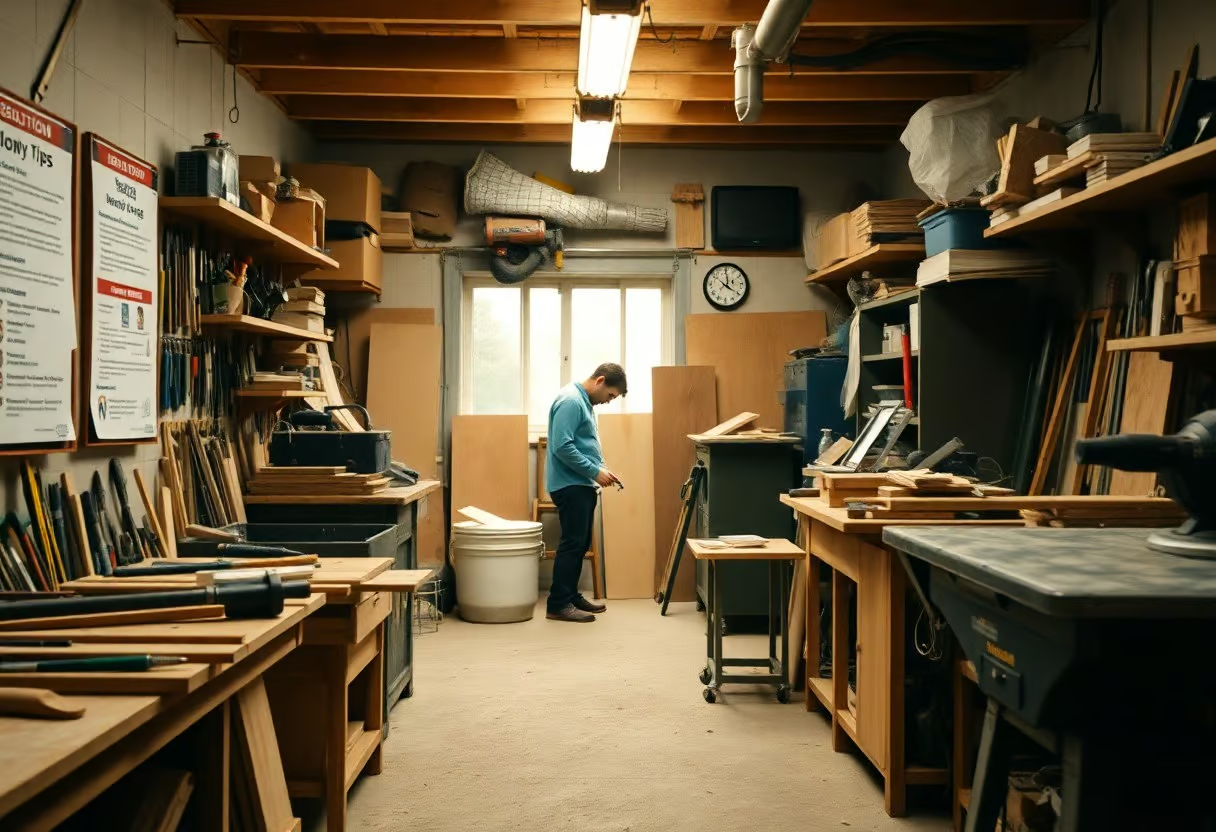
Safety Oversights
In woodworking, overlooking safety can lead to serious injuries or accidents. Whether it’s ignoring basic precautions or failing to maintain equipment, these oversights can turn a rewarding hobby into a hazardous pursuit. I’ve learned that taking safety seriously is necessary for protecting not only myself but also those around me, ensuring a smooth and enjoyable woodworking experience.
Lack of Personal Protective Equipment
One of the most common mistakes I’ve encountered is not wearing proper personal protective equipment (PPE). Safety goggles, hearing protection, and dust masks are vital to safeguard against injuries from flying debris, excessive noise, and harmful dust. Investing in quality PPE can prevent long-term health issues and allow you to focus on your craft.
Ignoring Safety Guidelines
Ignoring safety guidelines is another frequent oversight. I often see beginners skipping necessary instructions provided by tool manufacturers or workroom safety rules. These guidelines exist to prevent accidents and injuries, so neglecting them puts you at unnecessary risk.
I’ve encountered scenarios where disregard for safety guidelines resulted in injuries or tool damage. For instance, failing to follow the proper setup for a table saw can lead to kickback, a severe incident for any woodworker. Adhering to safety protocols not only protects you but also enhances your skills, as they lay a reliable foundation for responsible craftsmanship. Always take the time to read the manual for your tools and familiarize yourself with the best practices before starting any project.
Finishing Flaws
Achieving the perfect finish can significantly enhance the beauty of your woodworking projects, but common mistakes often lead to disappointing results. These flaws typically stem from inadequate surface preparation and improper finishing techniques, which can ruin even the most meticulously crafted piece. Understanding these pitfalls helps you create stunning finishes that showcase your work.
Inadequate Surface Preparation
Many beginners underestimate the importance of proper surface preparation before applying a finish. Skipping steps such as sanding, cleaning, and sealing reveals imperfections in the wood and affects the adhesion of your chosen finish. Taking the time to prepare your surface correctly ensures a smooth, even application and a beautiful final look.
Improper Finishing Techniques
Using improper finishing techniques can lead to uneven coatings and unattractive blemishes. For example, applying too thick a layer can result in runs or drips, while not allowing sufficient drying time can cause smudging. Following specific techniques for different finishes-such as wiping versus brushing-can drastically affect the outcome, reflecting your skill and attention to detail.
When experimenting with finishing techniques, it’s crucial to follow the manufacturer’s instructions and utilize tools suited for the finish type. For instance, using a foam brush for polyurethane provides a smoother application than a bristle brush, reducing visible brush strokes. If you’re using spray finishes, practice your technique on scrap wood to master even coverage without overspraying. Additionally, consider environmental factors like humidity and temperature, as they can significantly impact drying times and finish curing. Being mindful of these details can elevate your work from amateur to professional quality.
Seeking Guidance and Resources
Finding the right guidance and resources can transform your woodworking experience, helping you avoid common missteps. Engaging with those who have navigated this craft before you can provide valuable insights, while leveraging available resources online can enhance your skills efficiently and expand your knowledge base.
Learning from Experienced Woodworkers
Connecting with experienced woodworkers can be a game changer. I’ve often sought advice from local craftsmen and joined community workshops that emphasize hands-on learning. Their first-hand stories and techniques not only inspire but also equip you with practical knowledge that books alone may not convey.
Utilizing Online Resources
The internet is a treasure trove of woodworking tutorials, forums, and instructional videos. By exploring platforms like YouTube, you can find step-by-step guides for a variety of projects, catering to every skill level. Joining online communities offers opportunities to ask questions and gain assistance, making the learning process more interactive.
Platforms like woodworking subreddits and dedicated blogs feature not only tutorials but also personal stories from woodworkers with diverse experiences. Participating in these communities encourages sharing of tips and troubleshooting advice. I frequently find solutions to problems I face, plus inspiration for new projects. Many online courses offer structured learning pathways; signing up for a course can be particularly beneficial if you prefer a more formal approach to expanding your skills.
Summing up
Drawing together the insights shared, I encourage you to be mindful of common beginner woodworking mistakes. By staying aware of these pitfalls, you can significantly enhance your skills and enjoyment of the craft. As you approach each project, take your time to plan effectively, use the right tools, and focus on quality craftsmanship. With practice and careful attention, your woodworking journey will be rewarding and fulfilling, leading to greater confidence and creativity in your work.