
Most people think woodworking is only for seasoned craftsmen, but I believe anyone can master this rewarding skill. In this step-by-step guide, I will share my insights and necessary tips to help you begin your woodworking journey from scratch. Together, we will explore the tools, techniques, and projects that can transform raw wood into functional art. By the end, you will have the knowledge and confidence to create pieces that reflect your personal style and craftsmanship.
Understanding the Basics of Woodworking
Before exploring into projects, it’s vital to grasp the fundamental concepts of woodworking. This includes understanding how wood behaves, basic techniques, and safety protocols. As I began my journey, I found that having a solid foundation allowed me to tackle more complex tasks with confidence. Learning about wood properties, grain direction, and joint types can significantly enhance your skills and efficiency.
Tools and Equipment Overview
Equipping yourself with the right tools is crucial for any woodworking endeavor. A basic toolkit should include hand tools like saws, chisels, and measuring devices, along with power tools such as drills and sanders. As you progress, investing in specialized tools can enhance precision and save time. Always prioritize safety gear to protect yourself while working.
Types of Wood and Their Uses
Choosing the right type of wood for your project can be overwhelming, but it’s important to understand the characteristics of various woods. Softwoods like pine are great for beginners due to their ease of cutting and sanding. Hardwoods like oak provide durability and aesthetic appeal but require more skill to work with. Each type of wood has unique qualities that make it suitable for specific applications.
| Pine | Lightweight, ideal for furniture and crafts |
| Oak | Durable, often used for flooring and cabinetry |
| Maple | Hard and dense, perfect for cutting boards and furniture |
| Cherry | Beautiful grain, great for high-end projects |
| Birch | Strong and versatile, suitable for various applications |
Understanding wood types is not just about aesthetics; it’s about functionality. For instance, softwoods tend to be more forgiving, making them suitable for novice woodworkers. In contrast, hardwoods have distinct characteristics like tighter grains and varied colors, often being used in fine furniture and cabinetry. My experience has shown that knowing which wood works best for a specific project can greatly influence the outcome of your work.
- Softwoods are generally easier to work with.
- Hardwoods provide durability and stronger finishes.
- Different woods absorb stains and finishes in unique ways.
- Wood density affects how it will handle tools.
- After you understand wood types, selecting the right material becomes more intuitive.
| Softwoods | More available and economical for beginners |
| Hardwoods | Higher cost but long-lasting results |
| Exotic Woods | Unique appearance, often used for decorative items |
| Plywood | Versatile, made of layers for strength |
| Particleboard | Cost-effective but less durable |
- Choosing the right wood contributes to the project’s success.
- Knowing wood characteristics can improve your craftsmanship.
- Experimenting with different types enhances your skill set.
- Consider the final use of the product when selecting wood.
- After mastering wood selection, you’ll find joy in your finished pieces.
Safety First: Essential Precautions
To ensure a successful woodworking journey, prioritizing safety is vital. A well-structured approach to safety not only protects you but also fosters an efficient workspace. Adopting the right safety measures from the beginning greatly reduces the risk of injuries, making your woodworking experience more enjoyable and productive.
Personal Protective Equipment (PPE)
Wearing the right Personal Protective Equipment (PPE) is vital in woodworking. I always put on safety glasses to shield my eyes from flying debris, along with ear protection to guard against the loud noise of power tools. A dust mask is important when sanding or cutting to prevent inhalation of harmful particles, while sturdy gloves provide grip and protection from splinters and cuts.
Safe Tool Handling Techniques
Mastering safe tool handling techniques is important to prevent accidents while woodworking. Always understand how each tool operates before using it, adhering to the manufacturer’s guidelines. When using saws or routers, position your body away from the cutting line, and never reach over any moving part. Keeping your workspace tidy minimizes the risk of tripping or misplacing tools, and using push sticks for narrow cuts can help keep your hands safe from blades.
In woodworking, it’s also important to maintain a firm grip on hand tools, ensuring control at all times. Always return tools to their designated place after use, preventing clutter that could lead to accidents. Make it a habit to double-check that all safety mechanisms are in place before operating power tools. If a tool feels unsafe or causes concern, addressing the issue promptly can prevent potential injuries. Building awareness around these techniques reinforces a safe environment for both you and anyone who may be working alongside you.
Essential Woodworking Techniques
Mastering necessary woodworking techniques will significantly enhance your skills and confidence as you progress. These techniques include measuring accurately, cutting with precision, and understanding joinery methods, each playing a key role in the success of your projects. Focusing on these basics sets the foundation for more complex tasks and ensures quality craftsmanship.
Measuring and Marking Basics
Accurate measurements are the bedrock of successful woodworking projects. Using quality tools like a tape measure, square, and marking gauge, you can ensure your dimensions are precise. Always measure twice before cutting to avoid costly mistakes, and mark your measurements clearly to guide your cutting process effectively.
Cutting and Joinery Fundamentals
Cutting and joinery are integral to creating strong and aesthetically pleasing wooden structures. I utilize various saws, including hand saws, circular saws, and jigsaws, depending on the project’s requirements. Understanding types of joinery such as dovetail, mortise and tenon, or lap joints helps create solid connections, enhancing durability and appearance.
In cutting and joinery, mastering techniques like the correct grip and body positioning while using saws improves accuracy and safety. For instance, when using a miter saw, keeping your hands clear of the blade and maintaining a stable stance promotes control. Experiment with different joinery methods; for example, dovetail joints are excellent for drawers, while butt joints work well for frames. As you practice, the key is to focus on clean cuts and tight fittings, which will boost your woodworking projects’ overall strength and look.
Choosing Your First Project
Starting with the right project can make all the difference in your woodworking journey. I suggest selecting a beginner-friendly design that excites you, as this will help keep you motivated. Aim for projects that require basic skills while allowing room to learn and grow. Items like small shelves, birdhouses, or simple tables are excellent starting points because they encompass vital woodworking techniques without overwhelming complexity.
Simple Projects for Beginners
Simple projects help build foundational skills and boost confidence. I found that creating a small shelf or a picture frame provided a hands-on approach to measuring, cutting, and joining wood. Each project gave me the opportunity to practice different techniques, such as sanding and finishing, while resulting in functional pieces you can use or gift. Choose something that sparks your interest-it can be as basic as a stool or as creative as a toy box.
Planning and Preparing Your Project
Effective planning is vital for a successful woodworking project. I always start by sketching out my design, taking into account the wood type and tools needed. Make a list of materials, and note any specific dimensions or features you want to include. This thorough preparation minimizes errors and streamlines the construction process, making your experience more enjoyable and efficient.
It’s helpful to break down your project into manageable steps. I often create a simple timeline for each phase, from gathering materials to cutting and assembling. This not only keeps me organized but also allows me to anticipate any challenges that may arise. By preparing a dedicated workspace and keeping my tools in good condition, I ensure that I can focus on creativity and craftsmanship, leading to a rewarding woodworking experience.
Building Your Workspace
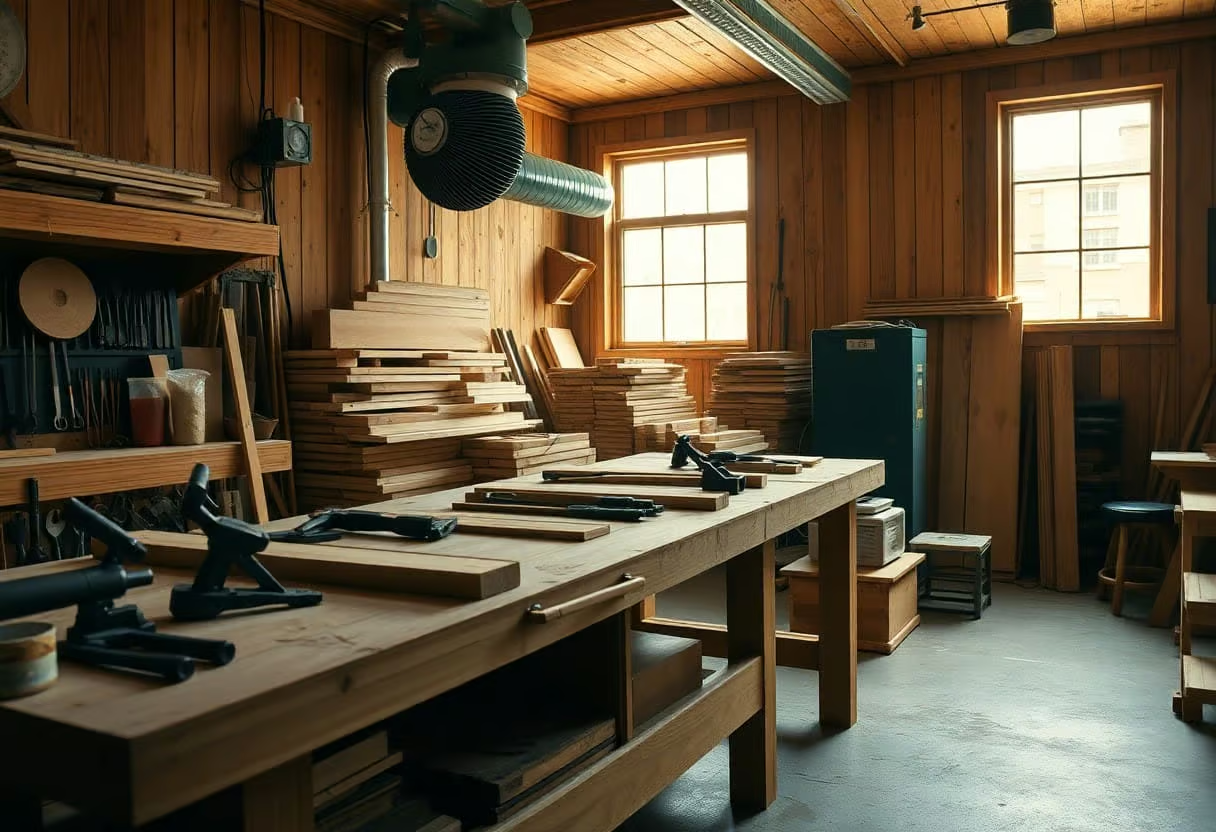
Creating a dedicated workspace is fundamental for any woodworker. A well-organized, comfortable area enhances productivity and minimizes distractions. Whether you have an entire garage or a small corner in your home, ensure it is well-lit, ventilated, and accessible. Allocate space for tools, materials, and finished projects to streamline your workflow.
Setting Up a Functional Woodshop
To set up a functional woodshop, start with a sturdy workbench as your centerpiece. This surface should be at a comfortable height for you to work on various tasks. Additionally, position important tools like saws, drills, and clamps within easy reach. Invest in quality storage solutions such as shelves and cabinets to store materials and equipment safely and efficiently.
Organization Tips for Efficiency
Efficient organization within your workspace can dramatically enhance your woodworking experience. I suggest categorizing tools and materials by type or project to minimize search time. Make use of wall-mounted racks for frequently used tools, ensuring they are visible and easy to grab. Implement a labeling system for storage units to quickly identify where everything belongs.
- Group similar tools together (e.g., hand tools, power tools).
- Use clear bins for small parts and fasteners.
- Store projects in progress on designated shelves.
- Assume that everything has a place to enhance accessibility.
Effective organization not only saves time but also fosters creativity by creating an inspiring environment. Prioritize the arrangement that feels most intuitive for your workflow. Periodically reassess your setup to adapt to new projects or added tools, allowing flexibility in your creative space.
- Keep a tool inventory list for easy reference.
- Invest in mobile storage solutions for versatility.
- Designate an area for safe waste disposal.
- Assume that you will need room for future expansions or additions.
Resources for Continued Learning
To truly advance your woodworking skills, leveraging various resources is key. From books and online tutorials to hands-on classes, there’s a wealth of knowledge available to refine your craft. Additionally, engaging with other woodworkers can provide insights and ideas that enhance your projects significantly.
Books and Online Tutorials
I’ve found an array of books and online tutorials invaluable in my woodworking journey. Titles like “The Complete Manual of Woodworking” offer in-depth knowledge, while platforms like YouTube host countless how-to videos, catering to all skill levels. These resources break down complex techniques into manageable steps, making it easier to learn at your own pace.
Community Workshops and Classes
Community workshops and classes provide fantastic opportunities to learn from experienced woodworkers. Many local organizations offer sessions for all skill levels, allowing you to gain hands-on experience with guidance. These settings not only enhance your skills but also foster connections with fellow enthusiasts.
Participating in community workshops has greatly enriched my woodworking experience. Often, local makerspaces or community colleges offer classes that cover various topics such as furniture making, joinery, and finishing techniques. For instance, I attended a weekend course where I crafted my first table, under the guidance of an expert. Not only did I learn vital techniques, but I also forged friendships with others who share the same passion, creating a supportive network that I continue to tap into for advice and inspiration.
To wrap up
To wrap up, starting your woodworking journey from scratch is both exciting and rewarding. I encourage you to take each step methodically, ensuring you grasp the fundamentals before exploring into more complex projects. As you enhance your skills, your creativity will flourish, allowing you to create functional and beautiful pieces. With patience and practice, I believe you will find joy in your woodworking endeavors and cultivate a lifelong passion for this craft.