
Over the years, I’ve learned that woodworking can be both rewarding and risky for beginners. Prioritizing safety not only protects you but also enhances your overall experience in the workshop. In this post, I’ll share crucial safety tips that I believe every novice woodworker should adhere to. By implementing these guidelines, you can foster a secure environment that allows your creativity to flourish while keeping potential hazards at bay.
Essential Safety Gear
Equipping yourself with the right safety gear is fundamental for reducing the risk of injury while woodworking. Protective equipment, such as eye, ear, and respiratory protection, can make a significant difference in ensuring a safe working environment. Investing in these items not only safeguards your well-being but also allows you to focus on honing your craft without distractions or fears of harm.
Eye Protection
Your eyes are vulnerable to debris, dust, and harmful particles when working with various tools and materials. I always wear safety goggles that meet ANSI standards to keep my eyes safe. These goggles provide a secure fit, ensuring no particles can slip inside while you’re cutting, sanding, or drilling.
Ear Protection
Woodworking often involves loud machinery that can damage your hearing over time. I use over-the-ear earmuffs or foam earplugs to minimize noise exposure. This protection is imperative when using power tools like table saws or routers, which can reach decibel levels above 85, causing potential hearing loss with prolonged exposure.
Choosing the right ear protection means finding a balance between comfort and noise reduction. Look for ear protection rated for at least 25-30 dB noise reduction. Custom-molded earplugs can also be an excellent investment if you’re frequently in a loud environment, as they provide both comfort and effectiveness.
Respiratory Protection
For optimal protection, consider a respirator equipped with P100 filters for wood dust or organic vapor cartridges when working with chemicals or finishes. Regularly check and replace filters to ensure their effectiveness, and always maintain good ventilation in your workspace to further enhance your respiratory safety.
Tool Safety Guidelines
Ensuring safety while working with tools should always be a priority. Adhering to specific guidelines can prevent accidents and enhance your woodworking experience. Familiarize yourself with the tools you use, keep your workspace organized, and maintain a focus on safety above all else. Taking a moment to assess your surroundings and double-check your setup can make a significant difference in avoiding mishaps.
Understanding Safety Features
Each tool is designed with specific safety features that help protect users. For instance, table saws often come with blade guards and riving knives, while routers might include safety switches. As a beginner, it’s vital to understand these features so you can leverage them effectively. Familiarizing yourself with these mechanisms enhances your confidence and reduces the likelihood of accidents.
Proper Tool Handling
Mastering proper tool handling is important for safety and effectiveness. Always use tools according to the manufacturer’s guidelines and maintain a secure grip. Work at a stable surface, and be mindful of your stance to prevent slips. When using power tools, stand to the side rather than directly in front of the cutting line, reducing the risk should a kickback occur. Proper handling ensures both your safety and the precision of your work.
Proper tool handling also involves awareness of your body positioning and movements. Keep your feet shoulder-width apart for balance, and use both hands when applicable for better control. Avoid wearing loose clothing that can catch in moving parts. Familiarize yourself with the on/off switch location of power tools before you start working, so you’re prepared to discontinue use in an emergency. Maintaining focus and a clear workspace will contribute greatly to a safer woodworking environment.
Workshop Organization
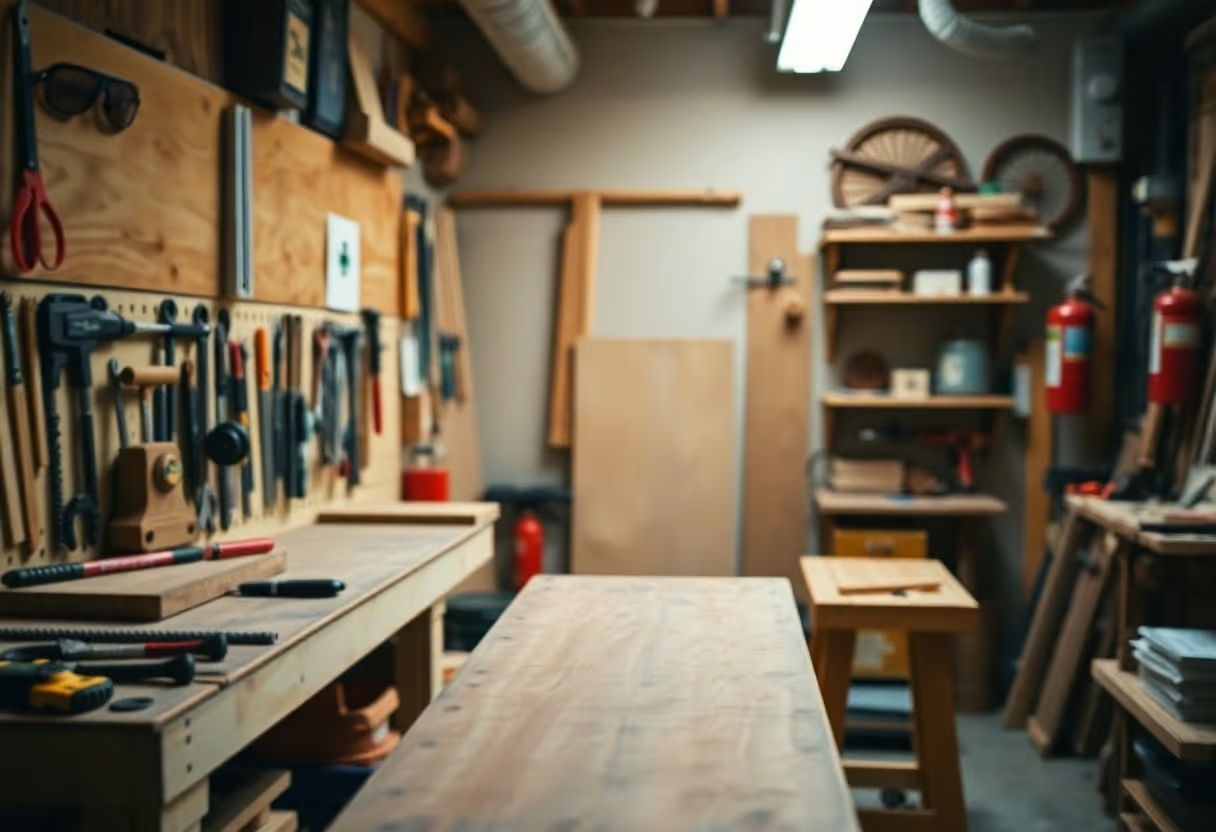
A well-organized workshop is necessary for both safety and efficiency in woodworking. By establishing designated areas for specific tasks and tools, you can minimize distractions and enhance productivity. Labeling storage bins and using pegboards can significantly help in keeping things in their proper place, making it easier to find what you need without searching through clutter.
Keeping a Clean Work Area
A clean work area is key to maintaining focus and preventing accidents. Regularly sweeping up sawdust and shavings not only reduces fire hazards but also keeps your tools and materials free from debris that could affect their performance. I make it a habit to tidy up at the end of each project to ensure a clear workspace for my next endeavor.
Safe Storage of Tools
Proper storage of tools can drastically reduce the likelihood of accidents. I recommend using sturdy cabinets or drawers to keep hand tools out of reach and organized. Additionally, using wall-mounted racks or magnetic strips for frequently used tools keeps them visible and easily accessible while limiting tripping hazards around the floor.
In terms of storing power tools, always ensure they are unplugged and, if possible, locked away when not in use. I use labeled containers for small tools, and for larger items, I install shelves that allow for easy access while minimizing clutter. Consider a designated “safety” drawer for all safety gear like gloves and goggles, reinforcing the mindset that safety should always be within reach.
Material Handling and Storage
Effective material handling and storage are key to ensuring a safe and efficient woodworking environment. When you learn the best practices for managing and storing your materials, you’ll minimize the risk of injury and damage to your projects. From lifting techniques to organizing your workspace, understanding how to approach material handling will make a significant difference in your woodworking experience.
Safe Lifting Techniques
To prevent injuries, always use proper lifting techniques when moving wood and equipment. Bend your knees, keep your back straight, and lift with your legs instead of your back. If the load is heavy, don’t hesitate to ask for help or use tools like dollies or forklifts. It’s better to take extra time than risk an injury that could sideline your woodworking projects.
Storing Wood Properly
Proper storage of wood is important to maintain its integrity and quality. I recommend keeping wood off the ground on shelves or racks to prevent moisture absorption, which can warp or spoil the wood. Also, store wood in a cool, dry place, ideally at a consistent temperature to avoid expanding and contracting. Properly stacked wood should be secured and organized by type and size for easy access and safety.
Consider using stickers or spacers between layers of wood to promote airflow and reduce the risk of moisture buildup. A dedicated storage area should also be free from contaminants such as dust or chemicals that could affect the wood quality. I often label my stacks so I can quickly identify what I need, optimizing my workflow and saving time during projects. Keeping everything organized not only improves safety but also enhances your efficiency as a woodworker.
Fire and Electrical Safety
Prioritizing fire and electrical safety in your woodworking shop can save you from devastating accidents. Proper management of flammable materials and careful handling of electrical tools are vital. Always be aware of potential fire hazards and ensure your workspace is equipped with safety features like fire extinguishers and smoke detectors.
Fire Hazards in Woodworking
Woodworking generates dust and debris, which are significant fire hazards. I always ensure that workspace surfaces are regularly cleaned, as accumulations can ignite easily. Additionally, keeping flammable materials like solvents and finishes away from heat sources minimizes risk. Be mindful of any overheated tools or machinery, as they can also spark a fire if left unattended.
Electrical Safety Tips
To keep your woodworking shop safe from electrical hazards, I follow basic guidelines such as inspecting power cords for damage, using grounded outlets, and ensuring that tools are switched off before plugging in. Regular maintenance of electrical tools is crucial to avoid shock or fires. Always know where your circuit breakers are located for quick access in an emergency.
- Inspect tools and cords regularly for wear and tear.
- Use power strips with surge protection.
- Ensure your workspace is well-lit and ventilated.
- Do not overload circuits to prevent overheating.
- The installation of residual current devices (RCD) adds an extra layer of protection.
Understanding the proper use of electrical equipment is pivotal in avoiding mishaps. Always keep your workspace dry, as moisture can increase the risk of electrical shock. Keeping tools organized and within reach reduces the chance of accidents involving cords and outlets. The best way to work safely is to develop a habit of double-checking that all tools are in good condition and appropriate for their specific applications.
- Unplug tools when not in use to avoid accidental start-ups.
- Keep cords away from cutting surfaces and sharp objects.
- Use appropriate extension cords rated for your tools’ power needs.
- Inspect circuit breakers regularly to ensure they function properly.
- The awareness of your electrical load can prevent potential hazards.
First Aid and Emergency Preparedness
Equipping yourself with first aid knowledge and emergency preparedness is vital for every woodworker. Accidents can occur unexpectedly, and knowing how to respond swiftly can make a significant difference in minimizing injury. Having a plan in place can alleviate panic and ensure the safety of yourself and others in the workshop.
Basic First Aid Kit
Your first aid kit should be tailored to the woodworking environment, including necessarys like adhesive bandages, antiseptic wipes, gauze pads, and medical tape. I also recommend including splints for minor fractures and an instant cold pack for swelling. Regularly check the kit to ensure all supplies are stocked and not expired, keeping it easily accessible in your workspace.
Emergency Procedures
Establishing clear emergency procedures is necessary for a safe woodworking environment. I advise outlining steps for various scenarios, such as tool injuries, fire, or chemical spills. Make sure everyone in the workspace understands the procedures, ensuring that you can act quickly and effectively in any emergency situation.
In my experience, conducting drills for common emergencies enhances preparedness. For instance, practice what to do if there’s a fire: this includes shutting off machinery, using fire extinguishers, and knowing the nearest exits. Familiarity with these procedures not only boosts confidence but can save lives when every second counts. Also, keep emergency contact numbers visible and consider appointing individuals to lead in emergencies for clarity and direction during crises.
Conclusion
Considering all points, I emphasize that prioritizing safety is vital for every beginner woodworker. By utilizing the right protective gear, understanding your tools, and following best practices, you can create a secure working environment. I encourage you to remain vigilant, continually learn about safety protocols, and never hesitate to seek guidance when unsure. Your safety not only protects you but also enhances your woodworking experience, allowing you to focus on honing your craft.