
Many new woodworkers find it challenging to start without spending a fortune. You don’t need expensive tools or materials to create beautiful and functional projects. In this post, I will share some affordable woodworking projects that are perfect for beginners like you, allowing you to develop your skills while keeping your budget intact. With a little time and creativity, you can craft impressive pieces that enhance your home and provide a satisfying sense of achievement.
Essential Tools for Budget-Friendly Woodworking
When begining on your woodworking journey, having the right tools can make all the difference without breaking the bank. Whether you’re crafting small projects or starting larger ones, focus on a few necessary items that will serve you well. A circular saw, a jigsaw, a quality set of hand saws, and a measuring tape are foundational tools that can tackle a variety of tasks. Investing wisely now can pay off as you build your skills and confidence in woodworking.
Must-Have Tools for Beginners
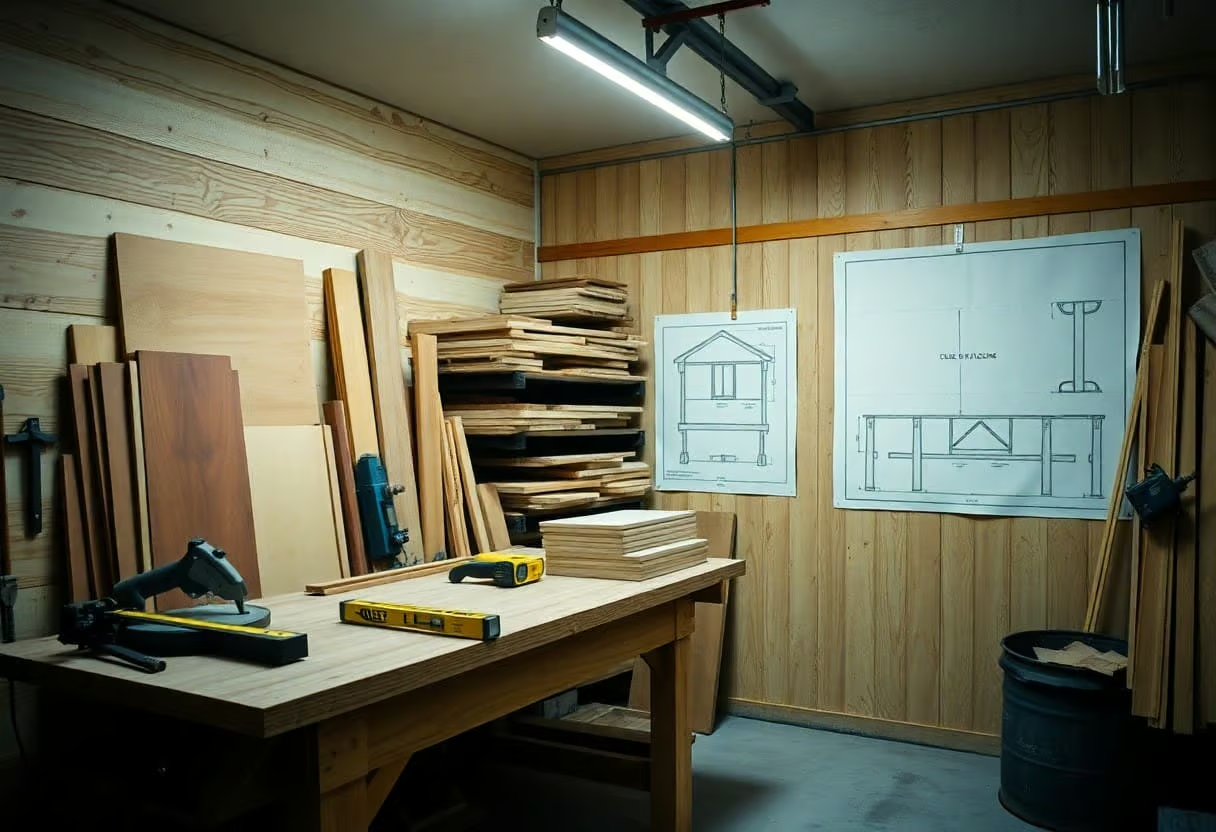
Starting your woodworking adventure requires a selection of must-have tools that enhance your efficiency. I recommend a sturdy workbench, which serves as your workspace; a level for ensuring accuracy; clamps for holding pieces together; and a drill for making precise holes. A combination square is also invaluable for measuring angles and promoting accuracy in cuts. These tools provide a solid foundation for any beginner’s toolkit.
Cost-Effective Alternatives
If you’re aiming to save money, consider exploring cost-effective alternatives that deliver results. Hand tools like chisels and planes can often be found second-hand or in budget-friendly brands without sacrificing quality. Instead of purchasing pricey electric saws, look for manual options like panel saws or coping saws, which can be equal to the task with practice. Often, you’ll find local classifieds or community groups offering used tools at significant discounts.
Embracing cost-effective alternatives doesn’t mean skimping on quality. For instance, many beginners find success using hand tools like a coping saw or a block plane, which are not only affordable but also provide the satisfaction of honing your skills. In many cases, older tools purchased at estate sales or flea markets can perform just as well as their newer counterparts. Additionally, consider borrowing tools from friends or family to minimize initial expenses while you decide what you’ll use most often. With a little resourcefulness, I’ve discovered you can build a robust toolbox that empowers your creativity without overspending.
Finding Affordable Wood Materials
Throughout my woodworking journey, I’ve discovered numerous avenues to source affordable wood materials that won’t break the bank. Understanding where to look is key to saving money while still achieving quality in your projects. From local lumber yards to specialty suppliers, each option presents unique benefits, allowing you to build your skills without overspending.
Best Places to Purchase Lumber
Local lumber yards and home improvement stores are my go-to places for purchasing lumber affordably. They often have a variety of options, including discounted clearance sections with slightly damaged or offcut pieces. Additionally, don’t overlook community hardware stores, which usually offer competitive prices and personalized service, making it easier to find just what you need. Online retailers can also provide convenience, but shipping costs might offset any savings.
Repurposing and Recycling Wood Items
Repurposing and recycling wood items offer a fantastic way to find materials while being eco-friendly. Look for old furniture, pallets, or building materials that can be transformed into something new. Often, these items are available for free or at minimal cost, allowing you to unleash your creativity. Check local classifieds or community groups for opportunities to rescue wood that others may discard.
In my experience, repurposing wood items not only saves money but also fosters creativity. For instance, I’ve turned discarded pallets into stylish coffee tables and old wooden doors into unique wall art. Local organizations or recycling centers are often a goldmine for finding such materials, and you’d be surprised at how much usable wood is out there. By carefully inspecting items and using a little ingenuity, you can make beautiful projects that showcase your skills and commitment to sustainability.
Beginner-Friendly Project Ideas
As I examined deeper into woodworking, I discovered several projects that are perfect for beginners looking to enhance their skills while staying within budget. Simple yet satisfying, these projects can transform your space without breaking the bank, giving you both hands-on experience and beautiful home additions.
Simple Home Decor Items
Crafting simple home decor adds a personal touch to your living space while providing valuable practice. Projects like decorative wall shelves, picture frames, or small plant stands require minimal materials and tools, making them accessible for anyone starting out in woodworking. They allow you to experiment with shapes and finishes while creating eye-catching pieces.
Functional Furniture Projects
Engaging in functional furniture projects can elevate your woodworking game significantly. Items like a basic coffee table or a sturdy bench not only serve a purpose but also help you develop crucial skills in joints, sanding, and finishing techniques. These projects can often be completed in a weekend, yielding impressive, usable results.
Functional furniture projects are great for beginners as they combine practicality with creativity. For example, building a simple bench requires just a few boards and screws, and can be customized in size and style to fit your space. You’ll learn about dimensions, weight distribution, and stability, all of which are foundational skills for any aspiring woodworker. Additionally, these pieces can often be crafted from reclaimed wood, keeping costs low and sustainability high.
Tips for Saving Money on Projects
To maximize your budget while woodworking, consider these practical tips. Focus on reusing materials, purchasing in bulk, and scouting local second-hand shops for tools. Connecting with local woodworkers may also lead to material swaps or shared resources. Prioritize simple designs that utilize fewer materials and ensure you have a well-defined project plan before heading to the store. After implementing these strategies, you’ll notice a significant decrease in project costs.
- Reuse scrap wood for smaller projects.
- Buy in bulk whenever possible.
- Join local woodworking groups for resources.
- Focus on DIY techniques.
Planning and Designing
Effective planning and designing can significantly impact your overall project budget. I sketch my projects with attention to detail, ensuring that I have all the dimensions and materials accounted for before I start. By visualizing the finished product early, I can avoid unnecessary adjustments and wasted materials during construction, leading to better financial efficiency.
DIY Techniques to Cut Costs
Implementing DIY techniques is a fantastic way to reduce expenses in woodworking. By using hand tools instead of power tools when feasible, you can save on electricity and purchase costs. Techniques such as doweling, mortise and tenon joints, or pocket hole joinery can often replace expensive hardware, further streamlining your project budget. I find that honing my skills with these methods not only cuts costs but also enhances my craftsmanship.
Mastering DIY techniques, such as making your own jigs or using hand tools effectively, can lead to substantial savings. For instance, creating a simple router jig can help achieve precise cuts without the need for costly machinery. Additionally, learning how to sharpen and maintain tools can prolong their life and functionality, thus reducing the need for frequent replacements. Using recycled or reclaimed wood for parts of your projects can also lower costs and impart unique character to your work.
Safety Measures in Woodworking
When engaging in woodworking, prioritizing safety is paramount. Ensuring you have the right precautions can prevent accidents and create a productive environment. From using proper tools to adopting safe work practices, each measure adds an crucial layer of protection. Whether you’re a novice or have some experience, embracing these safety guidelines guarantees a better woodworking experience.
Personal Protective Equipment
Using personal protective equipment (PPE) is non-negotiable in woodworking. I always wear safety glasses to shield my eyes from dust and flying debris, along with a dust mask to prevent inhalation of harmful particles. Additionally, gloves can protect your hands from splinters, while ear protection is advisable when using loud machinery, ensuring your safety throughout your projects.
Safe Handling Practices
Adopting safe handling practices greatly reduces the risk of accidents. I always ensure that my workspace is organized and that tools are stored securely when not in use. Additionally, I maintain proper posture when lifting heavy materials to avoid strain and use push sticks or feather boards to keep hands away from blades on power tools.
Every time I handle materials, I ensure that I am aware of my surroundings, paying attention to others in the space. Making a habit of checking tools before use for any damage can prevent malfunctions that could lead to injury. Always double-check that the area is clear, and use clamps to secure materials when cutting to keep them steady. These techniques not only enhance safety but also improve the quality of your work. Keeping an intentional focus on these practices can make a substantial difference in your overall woodworking experience.
Resources for Continued Learning
To enhance your skills and knowledge in woodworking, it’s important to tap into various learning resources. Whether you’re looking for in-depth techniques or creative project ideas, you can find an abundance of materials that cater to all levels.
Books and Online Tutorials
Numerous books and online tutorials can provide invaluable insights for beginner woodworkers. I often recommend starting with titles like “The Complete Manual of Woodworking” or exploring platforms like YouTube, where experienced woodworkers share tips and tricks through engaging videos. Websites like Instructables and The Wood Whisperer offer step-by-step guides tailored for novices.
Local Workshops and Community Resources
Participating in local workshops can significantly enhance your woodworking abilities. Community colleges and local maker spaces typically offer classes suitable for all skill levels, often at affordable rates. Joining woodworking clubs can also connect you with experienced artisans who are willing to mentor you in personal projects.
Many local hardware stores and community centers provide workshops and hands-on classes, which can be a cost-effective way to learn. For instance, Home Depot frequently hosts free classes on various DIY projects, covering crucial techniques in a supportive environment. In addition, forming or joining a community woodworking group can lead to shared resources, tools, and knowledge, creating an enriching learning experience that fosters growth and creativity.
Final Words
Considering all points, I believe that affordable woodworking projects can truly empower beginners like you to explore your creativity without breaking the bank. By selecting simple, budget-friendly materials and designs, you can develop your skills while creating functional and beautiful items for your home. Each project offers you a learning opportunity and the satisfaction that comes from building something with your own hands. Embrace these projects as a stepping stone in your woodworking journey, and you’ll soon find greater confidence in your abilities and more adventurous undertakings ahead.
Genuinely when someone doesn’t know then its up to other users that they will assist,
so here it occurs.