
There’s a world of possibilities when it comes to finishing your woodworking projects, and as a beginner, knowing where to start can be overwhelming. I’ve discovered that the right finishing techniques can enhance the beauty and durability of your work, allowing your efforts to shine. In this post, I’ll share some of the best finishing methods that are simple yet effective, providing you with the confidence to elevate your skills and produce stunning results in your woodworking journey.
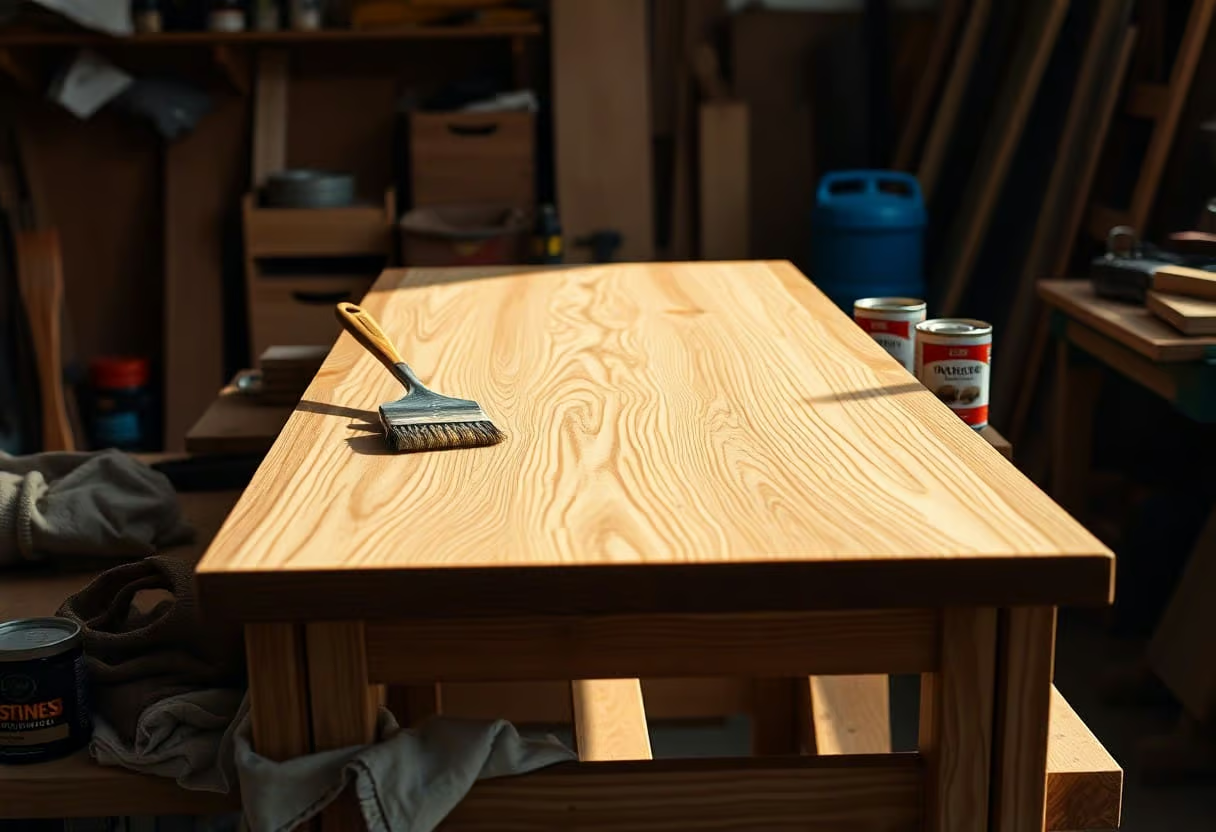
Understanding Wood Finishes
When you start working with wood, comprehending finishes is crucial for enhancing both the appearance and durability of your projects. Different finishes can change the color, texture, and protection level of the wood. The right finish not only elevates your work but also prolongs its life, making it crucial to choose wisely based on your specific needs.
Types of Finishing Products
There are various types of finishing products available, each serving different purposes and offering unique aesthetics. Some popular options include:
- Varnish
- Polyurethane
- Oil finishes
- Shellac
- Lacquer
Assume that understanding these options will significantly enhance your final results.
| Finishing Product | Characteristics |
|---|---|
| Varnish | Durable, moisture-resistant, glossy finish |
| Polyurethane | Hard finish, suitable for high-traffic areas |
| Oil finishes | Penetrates wood, enhances natural grain |
| Shellac | Fast-drying, warm tone, natural waxy feel |
| Lacquer | Quick-drying, smooth finish, good for detailed work |
Key Properties of Finishes
Understanding the key properties of finishes will help you select the best product for your woodworking projects. Key properties include durability, drying time, ease of application, and the final appearance, all of which affect both the practical use and aesthetic appeal of your work.
Different finishes bring unique attributes to your projects. For instance, oil finishes are easy to apply and penetrate the wood deeply, highlighting its natural beauty. In contrast, polyurethane offers immense durability, making it ideal for surfaces that see high wear. Varnishes and lacquers can provide a tough, protective coat; however, they may require more skill and patience for application. Tailoring your finishing choice based on these properties equips you to achieve the best results.
Surface Preparation
Proper surface preparation is key to achieving a high-quality finish. Start with clean, dust-free surfaces to ensure that the stain or finish adheres well. Use a scraper to remove any rough spots, and be prepared to invest time in preparing your wood for the best results. I often find a well-prepped surface can elevate the overall appearance of my projects, enhancing the depth and richness of the finish.
Sanding Techniques
Sanding is an integral step in surface preparation. I tend to utilize a range of sandpaper grits, starting with coarse grit to remove imperfections and progressively moving to finer grits for a smooth finish. For complex shapes, I opt for sanding sponges or blocks. It’s best to sand with the grain to avoid unwanted scratches, and intermittent checks with your hand can help gauge smoothness as you go.
Cleaning and Conditioning Wood
Cleaning and conditioning the wood before applying any finish is important for a professional look. I recommend using a damp cloth to remove dust and debris after sanding, followed by letting the wood dry completely. Conditioning helps to avoid uneven stain absorption, especially with softwoods. A good wood conditioner can be applied sparingly; I typically use a brush to work it in evenly before staining.
After sanding, I always take the extra step to condition the wood. This process helps to seal the surface and extends the life of your finish. I find that using a commercial wood conditioner or a homemade solution of mineral spirits and linseed oil can effectively balance the absorption rate, especially in porous woods like pine and fir. Applying it with a clean cloth allows for even coverage, ensuring that your final stain or finish looks consistent without blotchiness.
Applying Stains
To achieve a beautiful finish, applying stain properly is crucial. Stains enhance the natural beauty of wood, allowing the grain to show through while adding color. I recommend working in a well-ventilated area and testing your chosen stain on a scrap piece of wood to see how it interacts with your specific material. This will help you understand how the wood absorbs the stain and the final color outcome.
Choosing the Right Stain
The selection of stain is pivotal for achieving your desired look. Oil-based stains tend to penetrate deeply, offering rich colors and durability, while water-based stains dry faster and have lower odors. I typically opt for oil-based stains for hardwoods, as they bring out the grain beautifully. For easier cleanup and quicker drying, consider water-based options when working indoors.
Application Techniques
When applying stain, the technique you choose can significantly impact the final result. Using a foam brush or clean rag allows for smooth application, while achieving even coverage. I prefer to apply the stain in long, even strokes, ensuring I follow the grain of the wood. This gets the best results and prevents streaks.
For the best results with application, start by working in small sections to prevent the stain from drying before you can blend it. After applying a coat, allow it to sit for a few minutes before wiping away the excess with a clean cloth. Depending on the wood and color desired, you may want to apply multiple coats, but always let each layer dry completely according to the manufacturer’s instructions. Using this approach will provide a consistent, richly colored finish that highlights the wood’s natural beauty.
Finishing with Clear Coats
Clear coats provide a protective layer that enhances the appearance of your wood projects. They seal and safeguard the stain or paint beneath, offering durability and a polished look. When applying clear coats, proper technique ensures a uniform finish that showcases the wood’s natural beauty while providing resistance against moisture and wear.
Types of Clear Coats
Choosing the right clear coat can significantly impact your finished project. Here’s a breakdown of the most common options:
- Polyurethane – Offers high durability and water resistance.
- Varnish – Generally thicker, providing a robust finish.
- Lacquer – Dries quickly but can be less durable for heavy-use surfaces.
- Spar Urethane – Ideal for outdoor projects due to UV protection.
- Shellac – Natural finish that gives a warm tone but is less water-resistant.
Assume that your project will encounter exposure to moisture or wear; select a clear coat based on its intended environment and use.
| Clear Coat Type | Characteristics |
| Polyurethane | Durable, water-resistant, available in oil or water-based. |
| Varnish | Thicker and robust, ideal for high-traffic areas. |
| Lacquer | Quick-drying, suitable for fine detailing. |
| Spar Urethane | Excellent UV protection, great for outdoor use. |
| Shellac | Natural finish, warm tone, less moisture resistance. |
Application Methods
Applying clear coats requires careful attention to technique to avoid imperfections. You can choose between brushing, spraying, or rolling to achieve different effects. Each method has its benefits, whether it’s ease of use or the finish quality you desire.
I prefer using a foam brush for small projects, as it minimizes bubbles and allows for smooth application. For larger surfaces, you might opt for a spray gun to cover more area quickly, achieving a fine, even coat. Remember to work in thin layers, allowing proper drying time between coats to build depth and luster without risking runs or drips.
Common Finishing Mistakes
As a beginner woodworker, avoiding common finishing mistakes can make a significant difference in your project’s outcome. One frequent pitfall is applying too much finish at once or skipping necessary prep work. These oversights can lead to uneven surfaces, peeling, or a less-than-desirable appearance. Learning to recognize and correct these mistakes will enhance your wood finishing skills significantly.
Avoiding Runs and Drips
To prevent runs and drips, keep your brush or applicator loaded but not overloaded. Use long, even strokes and always work in the direction of the grain. It helps to maintain a wet edge by working in smaller sections, allowing the finish to blend seamlessly as it dries. If you notice a drip, address it immediately with a brush rather than letting it dry.
Tips for Even Coverage
Achieving even coverage requires consistent technique and attention to detail. Start by using a high-quality applicator designed for the finish you’re using. Apply thin layers, allowing each coat to dry thoroughly before adding the next. Work in a well-lit area to see any missed spots and adjust your technique as needed. Here’s a quick list of tips for better coverage:
- Use a foam brush for smooth finishes.
- Sand lightly between coats to improve adhesion.
- Choose a finish that suits the type of wood.
- Work in the right temperature and humidity conditions.
- Assume that repeated light coats are better than one heavy coat.
If you want to ensure an even application, frequently check your work from different angles and in various lighting conditions. This approach allows you to spot any areas needing a touch-up. Use broad strokes and apply finish in the grain’s direction for optimal results:
- Don’t rush the drying process.
- Clean your tools thoroughly after each use.
- Be consistent with your brushing technique.
- Take your time to inspect and correct issues on the go.
- Assume that patience is key to achieving a flawless finish.
Maintenance of Finished Projects
Keeping your finished woodworking projects in top condition involves regular maintenance routines that can enhance their lifespan and aesthetic appeal. Simple habits can prevent deterioration and keep your projects looking new. I find that incorporating maintenance into my regular cleaning schedule makes it effortless and ensures my hard work remains protected over time.
Cleaning Techniques
To maintain the beauty of your finished surfaces, I recommend gentle cleaning techniques. Use a soft, lint-free cloth for regular dusting, as this prevents scratches. For more thorough cleaning, a mild soap solution with warm water is effective; just be sure to dry surfaces immediately to avoid water damage.
Reapplying Finish
Over time, the protective finishes on your projects may wear down, requiring reapplication to maintain their integrity. I often assess the condition of my finishes every few months, focusing on areas most exposed to use, such as table tops and frequently handled items. A good signal for reapplication is if the surface starts to feel rough or the sheen dulls noticeably.
When reapplying finish, it’s best to clean the surface thoroughly to remove any grime or oils that have accumulated. Lightly sanding the finish with fine-grit sandpaper allows for better adhesion of the new coat. After cleaning and sanding, I apply the new finish in thin, even coats, allowing adequate drying time between applications. This method not only restores the original look and feel but also enhances the durability of your piece, ensuring that it stands the test of time against wear and tear.